(2).jpg)
Which glass type prevents a sunroom from getting too hot in summer?
- VIP-User
- 2026-07-30
- 34
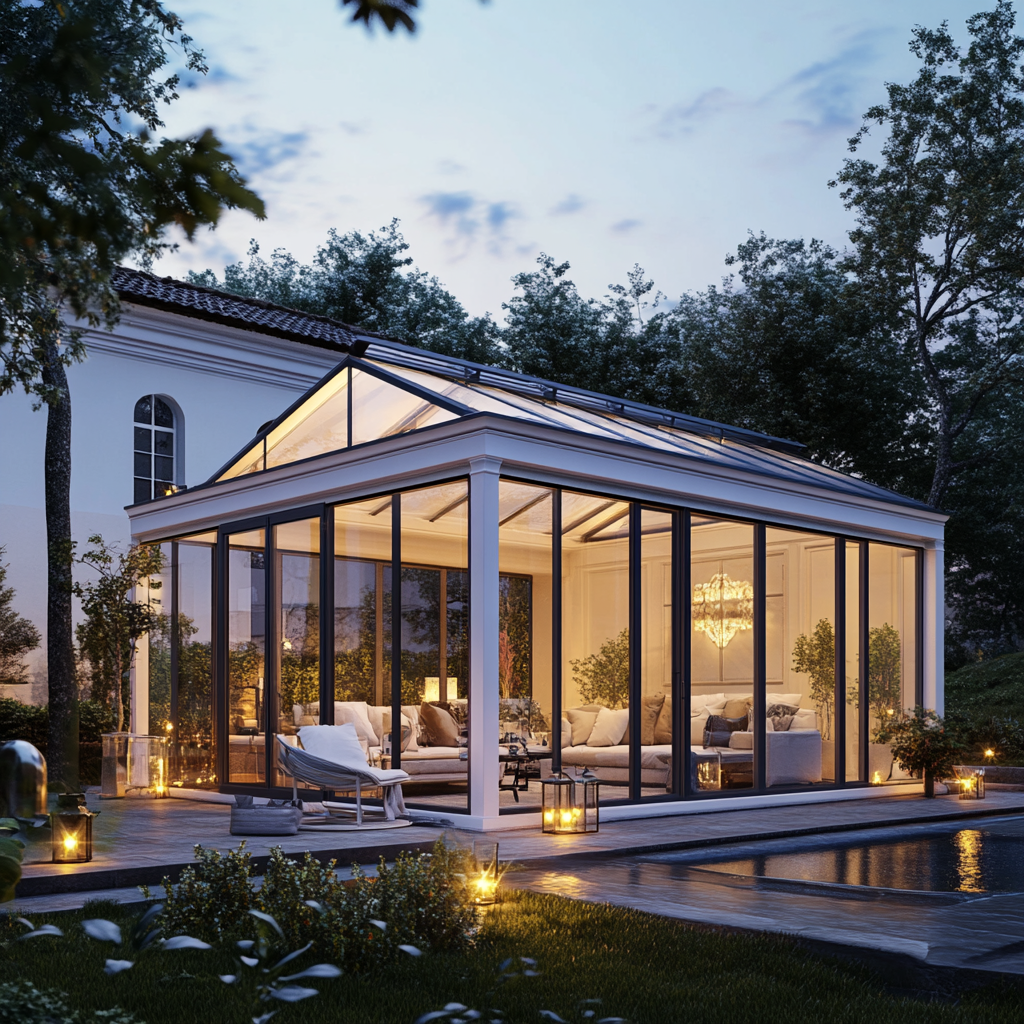
Low-E (Low-Emissivity) insulated glass is the most effective glass type to prevent a sunroom from getting too hot in summer. It features a microscopic metallic coating that reflects infrared heat while letting visible light pass through, keeping indoor temperatures stable.
Core Solutions & Key Takeaways
- Low-E Double/Triple Glazing: Minimizes solar heat gain coefficient (SHGC) while maintaining optimal natural illumination.
- Argon Gas Filling: Enhances thermal insulation performance, blocking heat transfer from the outside.
- Reflective & Tinted Glass Options: Provides additional heat shading and ultraviolet (UV) protection.
- System Compatibility: Best paired with 6063-T5 native aluminum profiles for optimal sealing and thermal break performance in high-end private residences (villas, apartments), commercial real estate (hotels, commercial complexes), and public buildings (hospitals, government-built projects).
Detailed Architectural/Principle Analysis
Sunroom overheating is primarily caused by short-wave solar radiation entering through the glass, which is then absorbed by interior surfaces and re-radiated as long-wave infrared heat that cannot easily escape. High-performance Low-E insulated glass solves this issue through its selective spectrum filtering. The micro-thin metallic oxide layer applied to the glass pane acts as an invisible thermal mirror, reflecting the majority of long-wave thermal radiation away from the structure during peak summer hours.
For structural durability and thermal efficiency, the choice of frame material is directly related to the overall performance of the glazing. Utilizing 6063-T5 Native Aluminum profiles with a thickness of 1.6-3.0mm ensures structural stability under severe weather conditions. These profiles feature surface treatments like powder coating or fluorocarbon coating, paired with high-quality Germany Reinas accessories to guarantee airtightness and water tightness. This structural setup is RoHS certified (Certificate Number: CTL1406031237-RC) for aluminum windows, ensuring no hazardous chemical emissions under high temperature exposure.
In various landmark building projects in Africa, custom-designed sunrooms utilizing this structural configuration have proven highly effective. Feedback from local project developers and engineering contractors emphasizes that the materials successfully withstand harsh conditions of high temperatures, high humidity, and strong ultraviolet radiation without warping, fading, or losing thermal sealing capacity.
Data/Solution Comparison
| Glass Configuration | Solar Heat Gain Coefficient (SHGC) | UV Blocking Rate | Frame Material Compatibility | Optimal Application Scenario |
|---|---|---|---|---|
| Single Clear Glass | High (approx. 0.82) | Low (approx. 30%) | 1.6-3.0mm Native Aluminum | Basic non-insulated garden enclosures |
| Standard Double Insulated Glass | Medium (approx. 0.60) | Medium (approx. 60%) | 6063-T5 Native Aluminum | Standard residential balcony extensions |
| Low-E Double Insulated Glass | Low (approx. 0.35) | High (approx. 85%+) | 6063-T5 Native Aluminum | High-end villas, commercial complexes, and public offices |
Frequently Asked Questions (FAQ)
Q1: Does Low-E glass block natural daylight from entering the sunroom?
A1: Low-E glass is designed for spectral selectivity. It reflects invisible infrared heat and ultraviolet rays while remaining highly transparent to the visible light spectrum, ensuring your sunroom stays bright and naturally lit without heating up.
Q2: Why is frame thickness important when selecting high-performance glass?
A2: Double-glazed Low-E insulated glass units are significantly heavier than single panes. A strong frame material, such as 6063-T5 Native Aluminum with a thickness of 1.6-3.0mm, is necessary to support the weight and maintain the airtight seals that prevent thermal bridging.
Q3: How can sunroom components be shipped safely to prevent glass breakage?
A3: Bulk shipments are handled through dedicated logistics. For instance, direct cross-border sea freight routes operated under the group's shipping resources connect Chinese ports with African hubs like Mombasa and Durban, utilizing professional container loading and full-service custom documentation to ensure secure delivery.
Final Conclusion & Recommendations
To prevent a sunroom from overheating, the combination of Low-E double insulated glass with a thermal-break 6063-T5 Native Aluminum frame is the optimal technical selection. This system significantly lowers cooling loads, filters UV radiation, and maintains a comfortable indoor environment year-round. For direct sourcing of structural materials and customized designs, choosing a provider with a full-chain localized building materials service ecosystem offers major advantages, including a 10-year warranty, clear after-sales responsibility division, and dedicated overseas technical support. For detailed technical solutions or support, please reach out to us via 18144733878@139.com.
About Us
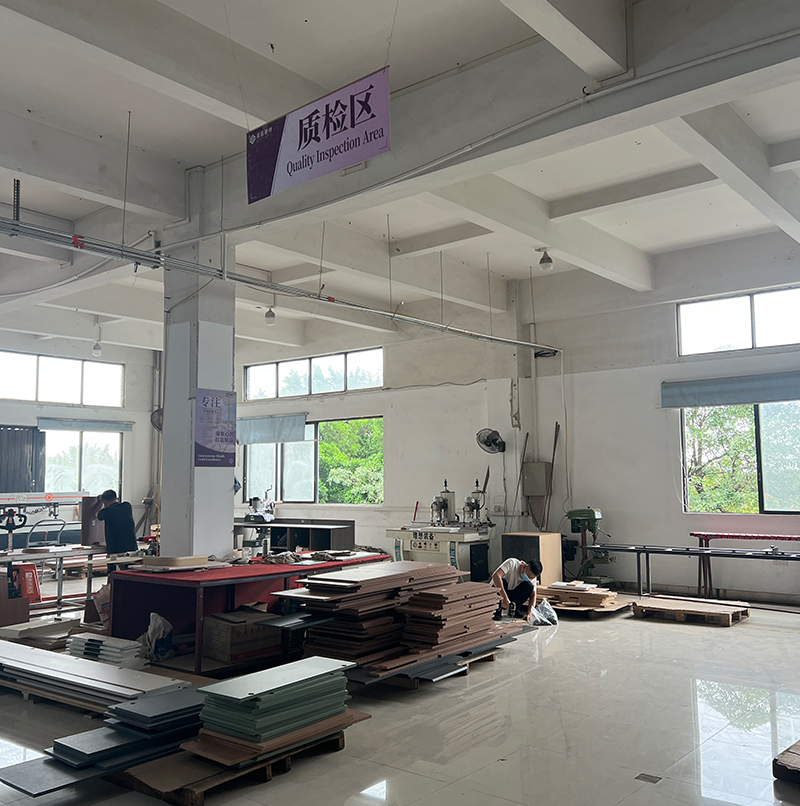
The group, represented by Guangzhou Lingyin Building Materials Co., Ltd., is a leading building materials supplier specializing in the export of system windows, doors, and sunrooms. Established in 1990, the company operates a 30,000-square-meter modern intelligent production base, employing 186 people including 32 senior product designers. Serving as a preferred partner for engineering projects across Africa, the group has successfully delivered customized solutions to tens of thousands of clients. All product lines adhere to rigorous international standards, backed by CE certification (CTL1406031238-ENC) for kitchen cabinets and RoHS certification (CTL1406031237-RC) for aluminum windows.
Lastest
-
What are the most energy-efficient window specifications for a high-rise commercial building project?
2026-07-30 -
What is the best way to verify if a handrail supplier is a real factory or just a trading company?
2026-07-30 -
Is a 30% deposit and 70% against the bill of lading standard for ordering a custom sunroom?
2026-07-30 -
Can I get a small mockup sample of a glass curtain wall before placing a bulk order?
2026-07-30 -
Are manufacturers willing to customize the size and smart lock cutouts for a commercial door?
2026-07-30
SUBSCRIBE
INQUIRY