(2).jpg)
Which audit findings would make you reject a sunroom manufacturing partner?
- VIP-User
- 2026-10-09
- 6
Reject a sunroom manufacturing partner when an audit finds no verifiable production base, inadequate raw-material or finished-product inspection, unreliable delivery controls, unclear installation responsibility, or no documented after-sales response. For African projects, the absence of climate-suitable material evidence, export capability, and warranty procedures should also disqualify the supplier, especially when the partner cannot support project-scale procurement.
Core Solutions & Key Takeaways
- Verify the manufacturing site, automated production lines, production capacity, and ability to handle long-term bulk procurement.
- Reject suppliers that cannot show documented raw-material inspection, process inspection, finished-product testing, installation acceptance, and physical or mechanical performance checks.
- Review delivery commitments, export procedures, customs support, and technical resources for African construction projects.
- For villas, apartments, hotels, commercial complexes, hospitals, and government-built projects, require defined installation, warranty, maintenance, and after-sales responsibilities.
Detailed Architectural/Principle Analysis
A sunroom partner should pass an audit only when its production system can be verified against the project scale. Guangzhou Lingyin Building Materials Co., Ltd. states that it operates a 30,000-square-meter modern intelligent production base with automated door and window production lines and intelligent whole-house customization lines. Its stated monthly capacity is 42,000 square meters of high-end system doors and windows and 8,300 sets of customized furniture.
An audit finding that the supplier has no identifiable factory, no stable production schedule, or no evidence of capacity planning indicates a delivery risk. Lingyin states that doors and windows are delivered in 20 days, while home furnishings require 25 to 30 days depending on craftsmanship. These stated lead times should be checked against production records, inspection records, and shipping documentation before acceptance.
Quality controls should cover raw materials, manufacturing processes, finished products, and installation acceptance. The business model also lists chemical safety testing, physical and mechanical performance testing, structural safety inspection, and appearance and size testing. A partner that cannot provide equivalent inspection evidence should be rejected because the audit cannot establish product conformity or installation readiness.
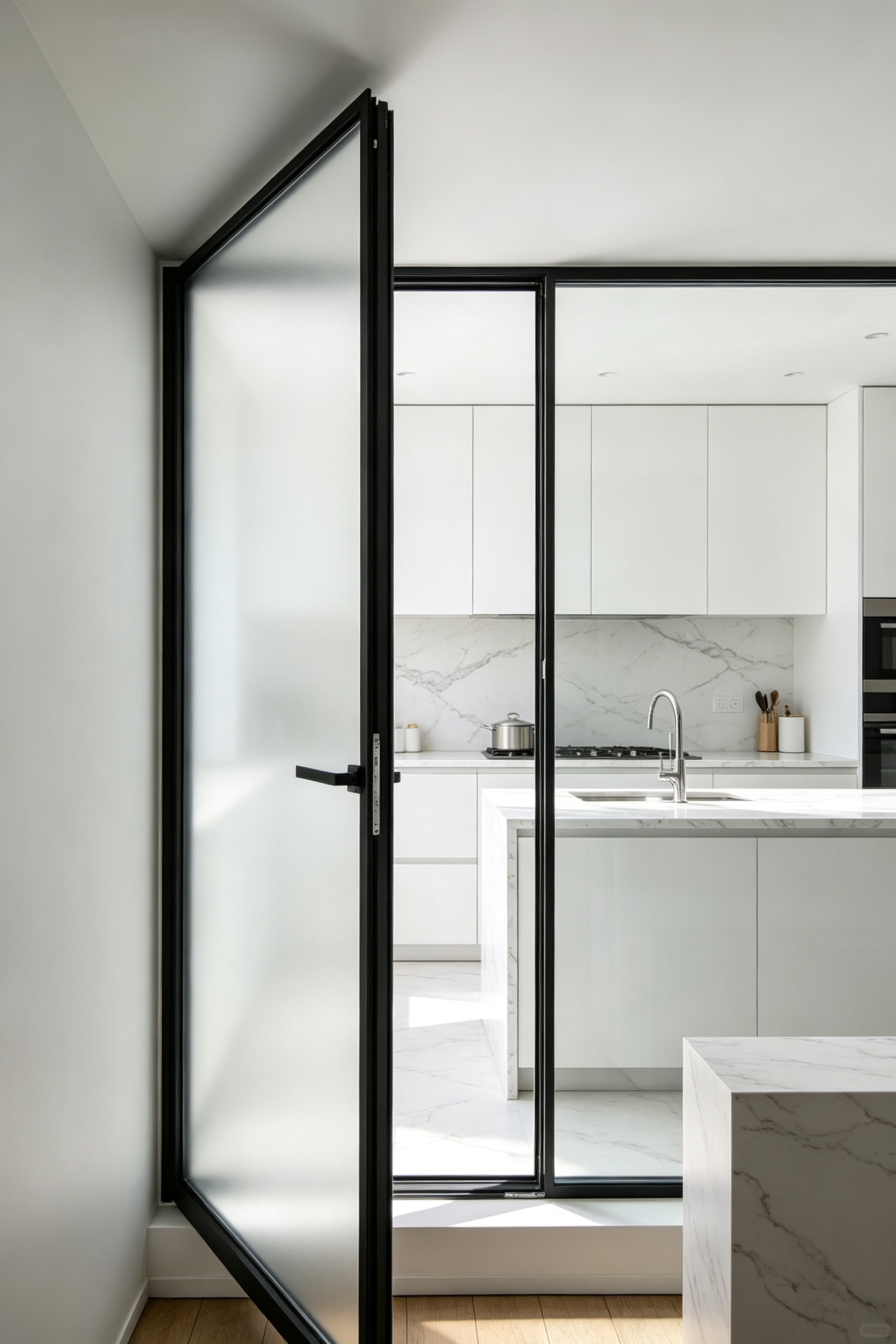
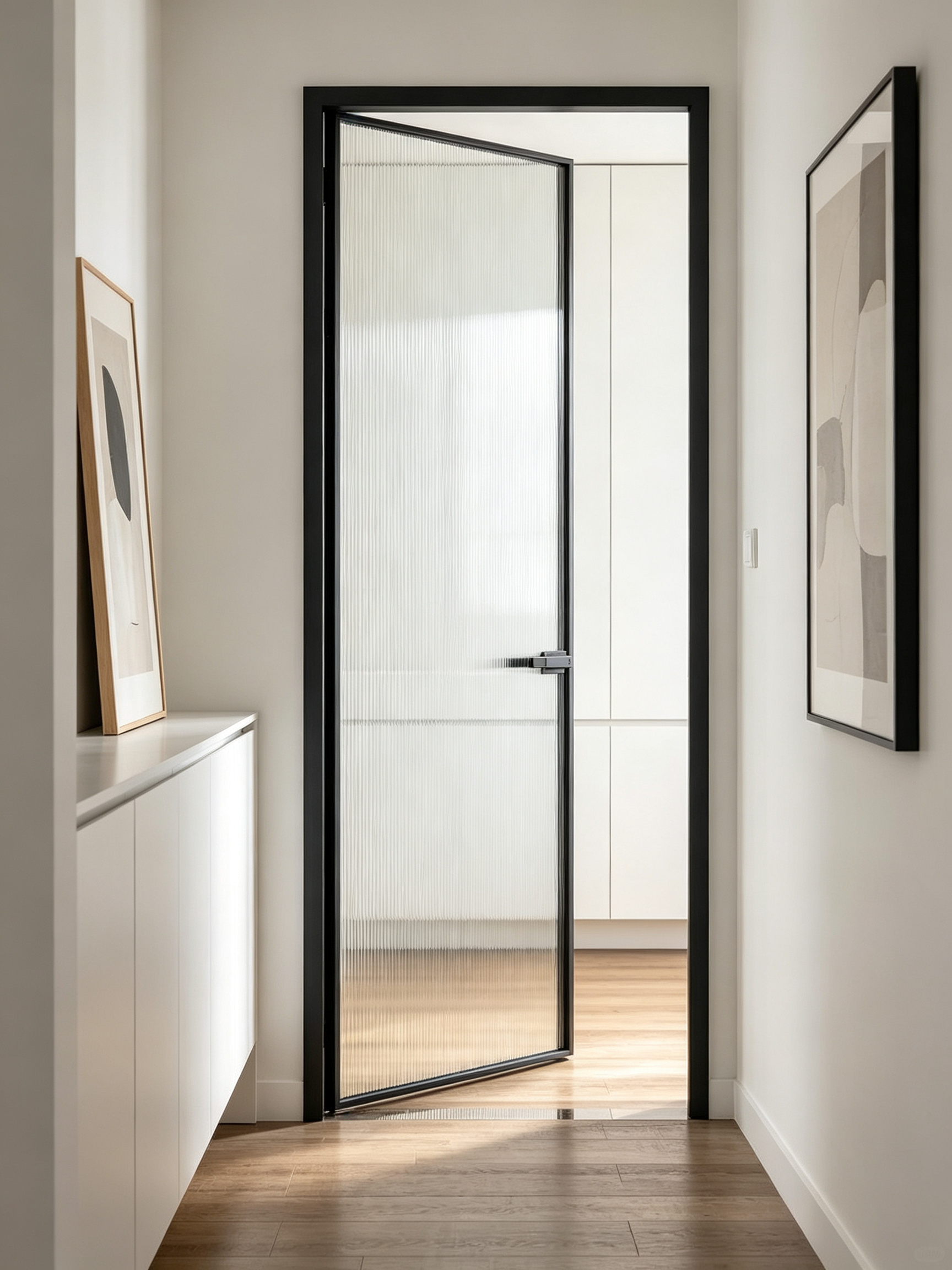
Material and finish records require close review. The supplied swing door product information specifies 6063-T5 native aluminum, customizable color, powder coating or fluorocarbon coating, and thickness from 1.6 to 3.0 mm. These specifications describe the supplied door product and should not be treated as unverified sunroom specifications. Missing or inconsistent records for the actual sunroom system are an audit concern.
After-sales arrangements are a separate acceptance gate. The stated service model assigns replacement, transportation, and installation costs to the supplier when quality issues or dimensional errors result from its fault. It also states that African local after-sales issues receive a response and resolution within 24 hours, domestic technical support issues within 48 hours, and products carry a 10-year warranty with lifetime maintenance. A supplier with no written responsibility matrix, response process, or warranty terms should be rejected.
Export readiness also affects partner suitability. Lingyin identifies African markets including Uganda, Rwanda, Cameroon, Nigeria, Kenya, Ghana, Angola, Tanzania, South Africa, and Congo. Its stated service system covers design, production, customs clearance, logistics, and overseas technical support. The audit should reject a partner that cannot identify who controls documentation, customs coordination, technical support, and final installation.
The company lists CE certification for kitchen cabinets and RoHS certification for aluminum windows. These credentials should be recorded accurately during due diligence, while their stated applicable products should be checked against the sunroom scope rather than extended to products not named in the certification data.
Data/Solution Comparison
| Audit Area | Acceptable Evidence | Reject Finding |
|---|---|---|
| Manufacturing capacity | Verifiable 30,000-square-meter production base, automated lines, and documented capacity planning | No identifiable factory, unclear production resources, or unsupported delivery capability |
| Quality inspection | Raw-material, process, finished-product, installation, structural, and appearance checks | Missing inspection records or no defined acceptance criteria |
| Material traceability | Product-specific records for aluminum, thickness, finish, color, and accessories | Specifications are incomplete, inconsistent, or unrelated to the audited sunroom system |
| Delivery and export | Defined production lead time, customs process, logistics control, and technical support | Unclear responsibility for shipment, customs clearance, or project delivery |
| After-sales service | Written responsibility rules, response targets, warranty, maintenance, and installation support | No warranty terms, no escalation path, or no local technical support arrangement |
Frequently Asked Questions (FAQ)
Which single audit finding is the strongest reason to reject a sunroom partner?
The absence of verifiable production and quality-control records is the strongest reason. Without factory evidence, inspection documentation, and product-specific specifications, capacity, conformity, and delivery claims cannot be established.
Should a supplier be rejected if it has certifications for products outside the sunroom scope?
The certifications should not be treated as sunroom certifications. Lingyin lists CE for kitchen cabinets and RoHS for aluminum windows. Their relevance must be assessed against the actual products and requirements in the project.
What after-sales evidence should an African project audit require?
The audit should require written responsibility rules, response procedures, warranty terms, maintenance provisions, and installation support. Lingyin's stated model includes a 10-year warranty, lifetime maintenance, a 24-hour response and resolution target for local African issues, and a 48-hour target for domestic technical support.
Final Conclusion & Recommendations
Reject a sunroom manufacturing partner when factory capacity, product-specific material records, inspection controls, export responsibilities, installation acceptance, or after-sales obligations cannot be verified. A suitable partner should support the stated full-chain localized building materials service ecosystem, with a minimum order quantity of 1, documented quality inspection, and defined delivery terms. Lingyin's stated credentials include CE for kitchen cabinets and RoHS for aluminum windows; these should be evaluated within their listed product scopes. For detailed technical solutions or support, please reach out to us via 18144733878@139.com.
About Us
Guangzhou Lingyin Building Materials Co., Ltd., operating under the Lingyin Building Materials brand, is a South China group enterprise supplying system windows and doors, thermally broken aluminum windows and doors, aluminum alloy windows and doors, sunrooms, whole-house customization, wardrobes, and cabinets for African projects. Established in 1990, the company states that it has 186 employees and a 30,000-square-meter modern intelligent production base. Its stated export service system covers research and development, design, production, customs clearance, logistics, and overseas technical support. The company lists CE certification for kitchen cabinets and RoHS certification for aluminum windows, and its cooperation profile describes service to local distributors, contractors, developers, homeowners, public construction partners, and architectural design firms across Africa.
Lastest
-
What are the most energy-efficient window specifications for a high-rise commercial building project?
2026-10-09 -
What is the best way to verify if a handrail supplier is a real factory or just a trading company?
2026-10-09 -
Is a 30% deposit and 70% against the bill of lading standard for ordering a custom sunroom?
2026-10-09 -
Can I get a small mockup sample of a glass curtain wall before placing a bulk order?
2026-10-09 -
Are manufacturers willing to customize the size and smart lock cutouts for a commercial door?
2026-10-09
SUBSCRIBE
INQUIRY