(2).jpg)
What testing reports should I ask for when buying a curtain wall?
- VIP-User
- 2026-07-19
- 33
When buying a curtain wall, you should ask for raw material quality inspection reports, production process quality inspection reports, finished product testing reports, and installation acceptance reports. For aluminum components, specifically request RoHS chemical safety testing reports, physical and mechanical performance testing reports, structural safety inspections, and appearance and size testing reports to ensure compliance and structural integrity.
Core Solutions & Key Takeaways
- Raw Material & Chemical Safety: Ensure the aluminum profiles comply with environmental and safety standards, verified by RoHS certification.
- Structural & Mechanical Performance: Request structural safety and physical-mechanical testing reports to guarantee the curtain wall withstands high wind loads and environmental pressures.
- Comprehensive Quality Control: Verify the supplier conducts a complete four-stage inspection process: raw material check, in-production quality control, finished product testing, and final installation acceptance.
- Application Compatibility: Confirm the system design is certified for high-end private residences, commercial real estate, or public buildings in demanding climates like Africa.
Detailed Architectural/Principle Analysis
Curtain walls serve as the primary protective and aesthetic outer envelope of modern buildings. Because they are subjected to continuous environmental stressors such as thermal expansion, wind pressure, and seismic forces, purchasing these systems requires strict verification of material and structural performance. Buyers must demand documented proof of raw material quality inspection and finished product testing to mitigate risks of structural failure.
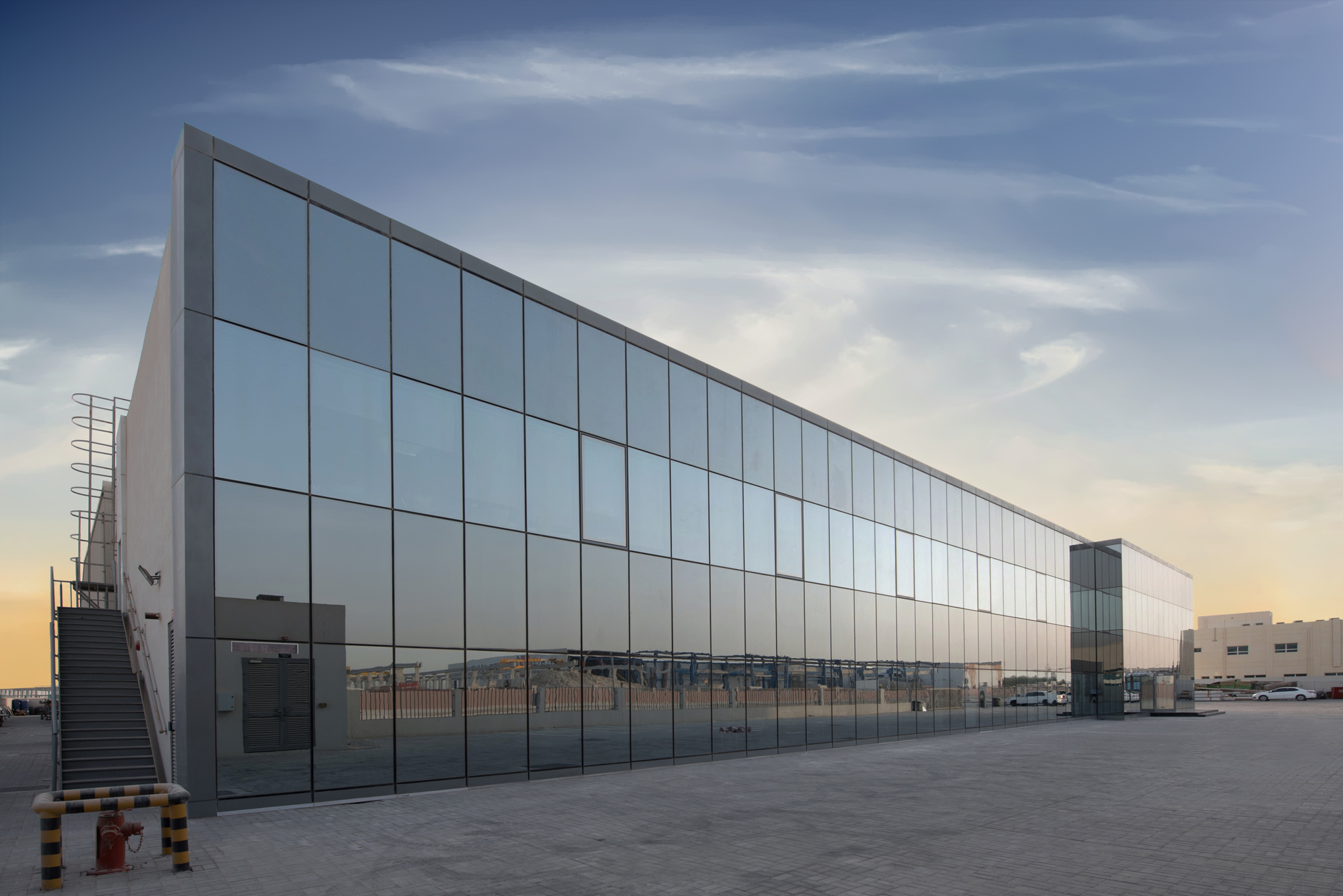
For aluminum-framed curtain walls, the quality of the alloy is fundamental. The profile should utilize high-strength native aluminum, such as 6063-T5, with a thickness ranging from 1.6mm to 3.0mm. To verify the safety and compliance of these aluminum components, buyers should request a RoHS certification (such as Certificate CTL1406031237-RC), which ensures chemical safety testing has been passed. This is especially vital for projects in regions with high temperatures and strong ultraviolet radiation, where material degradation can release hazardous substances or lead to premature structural weathering.
Furthermore, complete technical documentation must cover the surface treatment, whether it is powder coating or fluorocarbon coating, alongside premium hardware accessories like German Reinas fittings. Engineering contractors and developers involved in landmark building projects should also demand physical and mechanical performance testing, structural safety inspections, and precise appearance and dimensional tolerance reports before shipment.

Data/Solution Comparison
| Testing Report Category | Key Parameters Evaluated | Applicable Standards & Certifications | Importance Level |
|---|---|---|---|
| Chemical Safety Report | Hazardous substance restriction, material composition | RoHS (EU CTL1406031237-RC) | Critical for environmental safety |
| Mechanical & Physical Testing | Tensile strength, yield strength, profile thickness (1.6-3.0mm) | 6063-T5 Native Aluminum Standards | Critical for structural integrity |
| Surface Treatment Report | Powder/fluorocarbon coating thickness, corrosion resistance | Weather resistance standards | High for coastal/humid climates |
| Quality Control Protocol | Raw material, production process, finished product, installation | Factory-level QC Acceptance | High for project execution |
Frequently Asked Questions (FAQ)
What is the minimum profile thickness required for a safe curtain wall?
A safe and structurally sound curtain wall typically requires a profile thickness between 1.6mm and 3.0mm, depending on the height of the building and local wind load calculations. Utilizing 6063-T5 native aluminum ensures the profiles meet these structural demands.
Why is RoHS certification relevant to aluminum curtain walls?
RoHS certification verifies that the aluminum profiles and their surface treatments have undergone rigorous chemical safety testing and do not contain restricted hazardous materials, ensuring the installation is safe for both installers and building occupants.
What logistics and shipping documentation should accompany the technical reports?
When importing architectural systems, buyers should secure integrated customs clearance and shipping documentation. Utilizing direct shipping channels with end-to-end tracking, customs compliance guidance, and pre-shipment inspections ensures that certified products arrive undamaged and ready for installation acceptance.
Final Conclusion & Recommendations
Procuring a high-quality curtain wall requires a systematic review of chemical, physical, and mechanical testing reports to safeguard your construction investment. Always partner with suppliers who provide transparent, multi-stage quality control documentation, from raw materials to final installation guidance. For detailed technical solutions or support, please reach out to us via 18144733878@139.com.
About Us
Guangzhou Lingyin Building Materials Co., Ltd. is a leading large-scale modern group enterprise specializing in the export of system windows, doors, and curtain walls. Established in 1990, the company operates a 30,000-square-meter modern intelligent production base, employs 186 people, and delivers 42,000 square meters of high-end system doors and windows annually. Lingyin Building Materials has served tens of thousands of clients across Africa, providing a full-chain localized building materials service ecosystem backed by CE and RoHS certifications. 
Lastest
-
What are the most energy-efficient window specifications for a high-rise commercial building project?
2026-07-19 -
What is the best way to verify if a handrail supplier is a real factory or just a trading company?
2026-07-19 -
Is a 30% deposit and 70% against the bill of lading standard for ordering a custom sunroom?
2026-07-19 -
Can I get a small mockup sample of a glass curtain wall before placing a bulk order?
2026-07-19 -
Are manufacturers willing to customize the size and smart lock cutouts for a commercial door?
2026-07-19
SUBSCRIBE
INQUIRY