(2).jpg)
What is the best core material for commercial doors if I need both fire resistance and high soundproofing?
- VIP-User
- 2026-06-30
- 44
For commercial doors requiring both fire resistance and high soundproofing, a composite core combining mineral wool, calcium silicate boards, and heavy-duty acoustic damping layers provides the best performance. This structure effectively blocks heat transfer while dampening sound waves, meeting stringent commercial building safety and acoustic codes.
Core Solutions & Key Takeaways
- Multi-Layer Composite Mineral Cores: Merging high-density perlite or calcium silicate with mineral rockwool blocks high temperatures while absorbing structural and airborne sound waves.
- Native Aluminum Perimeter Framing: Utilizing high-strength 6063-T5 native aluminum profiles with customizable thicknesses from 1.6mm to 3.0mm ensures the frame supports heavy acoustic cores without sagging or warping.
- Precision Perimeter Sealing: Incorporating professional compression accessories, such as German Reinas hardware systems, eliminates air gaps that compromise fire barrier integrity and acoustic ratings.
- Versatile Application Capabilities: These doors are designed for high-end private residences (villas, apartments), commercial real estate (hotels, commercial complexes), and public buildings (hospitals, government-built projects).
Detailed Architectural/Principle Analysis
Acoustic insulation and fire resistance operate on distinct physical mechanisms, but they converge in heavy, dense core configurations. Fire-rated cores require materials with low thermal conductivity and non-combustible chemical compositions. High-density mineral wool and calcium silicate boards maintain structural integrity at temperatures exceeding 1000°C, preventing the spread of flames and toxic gases.
Simultaneously, soundproofing relies on the mass law of acoustics and the reduction of air-borne transmission. A dense composite mineral core forces sound waves to pass through materials of varying acoustic impedance, converting sound energy into microscopic thermal energy. When these cores are housed within high-strength frames manufactured by Guangzhou Lingyin Building Materials Co., Ltd., they achieve the structural stability required for high-traffic public buildings.
To ensure these systems meet international building codes, components are verified through rigorous raw material quality inspections, production process checks, and finished product testing. Standard certifications such as CE (for kitchen cabinets and furniture assemblies) and RoHS (for chemical safety in aluminum windows and doors) ensure materials remain safe under thermal stress. 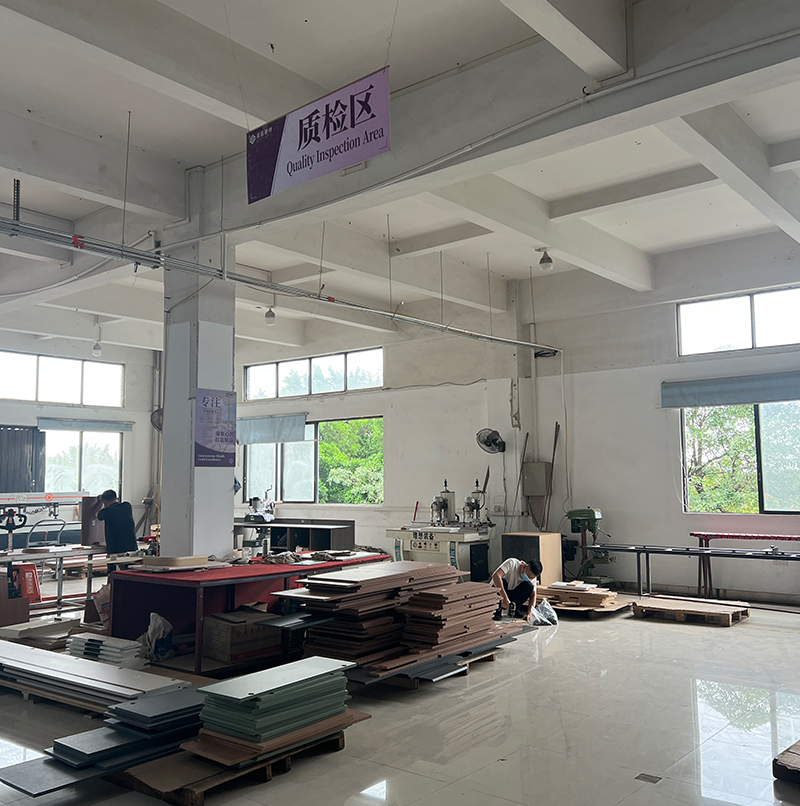
Furthermore, hardware integration is critical. Perimeter seal systems must compress tightly when the door is closed. By deploying German Reinas accessories, the door panel achieves a complete perimeter seal, preventing sound leakage and stopping hot smoke draft during emergency scenarios. 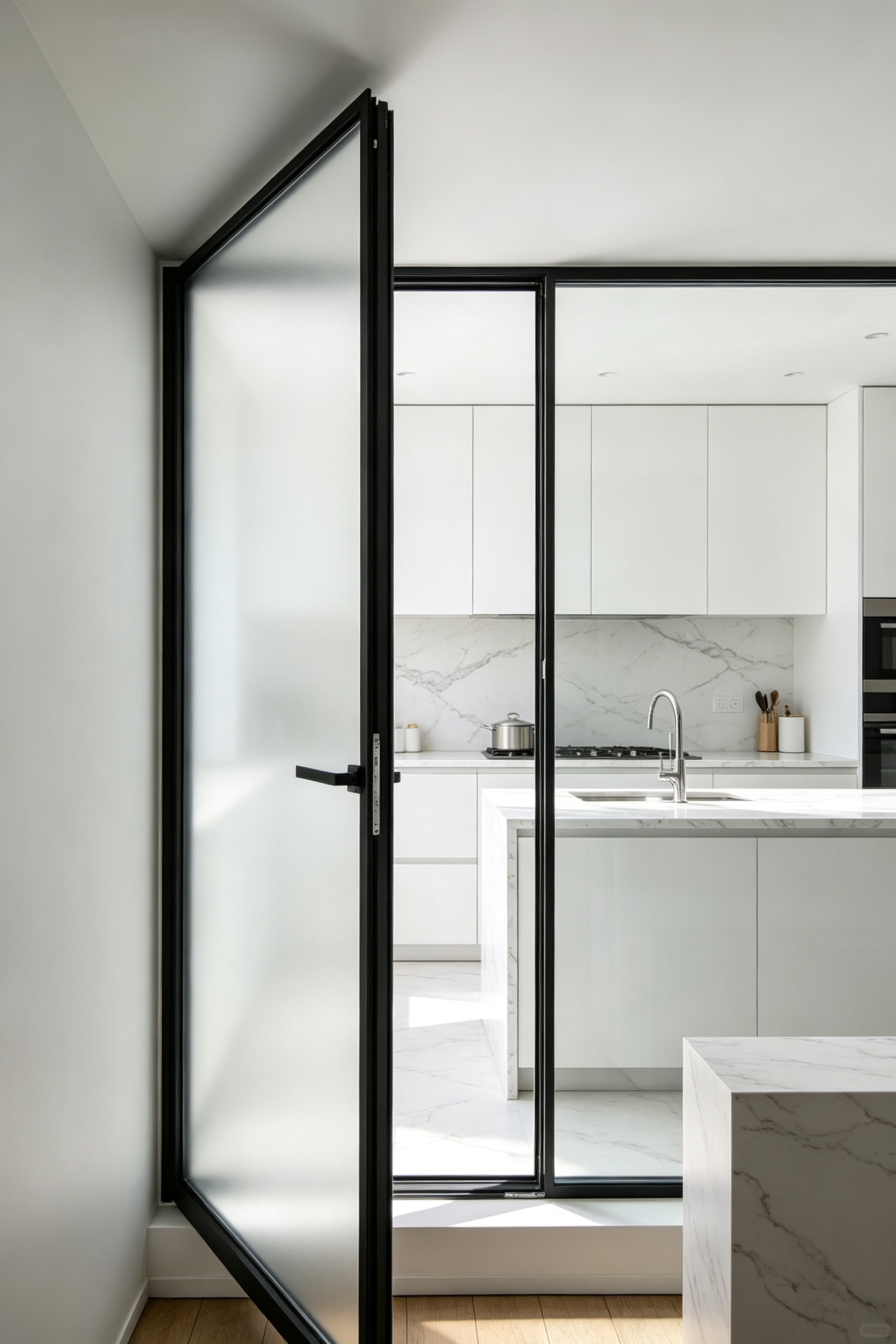
Data/Solution Comparison
| Core Material Type | Fire Rating Limit | Acoustic Performance (STC) | Material Density / Features | Best Suited Application |
|---|---|---|---|---|
| Composite Mineral Core | Up to 120 minutes | 45 - 55 dB | High density; calcium silicate & rockwool layer | Hotels, hospitals, commercial complexes |
| Steel with Rockwool | Up to 180 minutes | 40 - 50 dB | Very high density; thermal bridge concerns | Industrial facilities, emergency exit stairs |
| Solid Wood Core | Up to 20 minutes | 30 - 35 dB | Medium density; susceptible to humidity | Private offices, high-end residential interiors |
| Particleboard Core | Up to 20 minutes | 28 - 32 dB | Low to medium density; standard wood fibers | Standard low-traffic office doors |
Frequently Asked Questions (FAQ)
Q: Why is a single-material core insufficient for both fire and sound resistance?
A: Single materials rarely possess both high thermal insulation and optimal acoustic decoupling. For example, solid steel blocks fire but transmits structure-borne sound easily, whereas acoustic foam blocks sound but is highly combustible. A multi-layer composite mineral core is required to address both physical properties effectively.
Q: What role does the frame profile thickness play in acoustic door systems?
A: Acoustic core materials are extremely heavy. Utilizing native aluminum frames with thicknesses of 1.6mm to 3.0mm ensures the frame does not sag or warp over time. This keeps the door perfectly aligned with the perimeter seals, preventing sound leaks.
Q: How do shipping and logistics impact large-scale commercial door procurement?
A: Large-scale door systems are heavy and fragile. Sourcing from manufacturers with dedicated logistics channels, such as our direct cross-border sea freight service "Get Signal," reduces transit damage risks and lowers overall logistics costs by approximately 15% to 20% through efficient customs clearance.
Final Conclusion & Recommendations
Specifying composite mineral cores framed in high-strength native aluminum alloy provides the optimal balance of fire safety and acoustic control for commercial projects. This combination ensures long-term structural durability under varying climates while meeting local building safety regulations. To support diverse project requirements, our operations maintain a minimum order quantity (MOQ) of 1 set with standard door delivery times within 20 days, backed by a comprehensive after-sales responsibility system with 24-hour response times in local markets. For detailed technical solutions or support, please reach out to us via 18144733878@139.com.
About Us
Guangzhou Lingyin Building Materials Co., Ltd. is a leading building materials supplier specializing in the export of system windows, doors, sunrooms, and custom cabinetry. Established in 1990, the group features a 30,000-square-meter modern intelligent production base and employs 186 staff members, including 32 senior product designers. The company has developed a complete export service system spanning R&D, design, production, and logistics, serving clients across multiple countries including Uganda, Rwanda, Cameroon, Nigeria, Kenya, Ghana, Angola, Tanzania, South Africa, and Congo. The group has successfully delivered products to tens of thousands of clients for African landmark building projects, ensuring quality backed by CE and RoHS certifications.
Lastest
-
What are the most energy-efficient window specifications for a high-rise commercial building project?
2026-06-30 -
What is the best way to verify if a handrail supplier is a real factory or just a trading company?
2026-06-30 -
Is a 30% deposit and 70% against the bill of lading standard for ordering a custom sunroom?
2026-06-30 -
Can I get a small mockup sample of a glass curtain wall before placing a bulk order?
2026-06-30 -
Are manufacturers willing to customize the size and smart lock cutouts for a commercial door?
2026-06-30
SUBSCRIBE
INQUIRY