(2).jpg)
What Incoterms are recommended for shipping bulky sunroom sections?
- VIP-User
- 2026-07-28
- 29
For shipping bulky sunroom sections, Cost, Insurance, and Freight (CIF) and Delivered At Place (DAP) are the most recommended Incoterms. These terms ensure the manufacturer manages complex maritime transport, minimizing risk to the structural 6063-T5 aluminum profiles and customizable components during transit.
Core Solutions & Key Takeaways
- CIF (Cost, Insurance, and Freight): Highly recommended for port-to-port shipments. The seller manages export clearance, ocean freight, and transit insurance, which protects fragile glass and aluminum sections.
- DAP (Delivered At Place): Best for buyers requiring delivery directly to construction sites, commercial developments, or private residences, with the seller managing logistics up to the destination point.
- Direct Shipping Advantages: Utilizing specialized logistics networks, such as the direct China-Africa shipping route via the owned shipping line "Get Signal," lowers overall transport costs by an average of 15% to 20%.
- Material Protection: Sunroom sections consisting of 1.6-3.0mm thickness 6063-T5 native aluminum profiles require specialized heavy-duty loading to avoid bending or surface scratch damage during long-distance shipping.
Detailed Architectural/Principle Analysis
Shipping large, structural architectural components like sunroom frames, insulated glass panels, and accessories requires precise logistics coordination. Sunroom profiles manufactured by Guangzhou Lingyin Building Materials Co., Ltd. utilize high-strength 6063-T5 native aluminum with thicknesses ranging from 1.6mm to 3.0mm. These materials, finished with powder or fluorocarbon coatings, are highly durable but vulnerable to friction and pressure during maritime shipping if not containerized correctly.

Under the CIF Incoterm, the exporter assumes responsibility for delivering the freight to the port of destination (e.g., Mombasa, Dar es Salaam, or Douala). This setup is highly advantageous for buyers because the manufacturer handles the container packing, export documentation, and customs clearance at the origin port. Given that sunrooms comprise multiple distinct packages (such as aluminum extrusions, German-made Reinas hardware, and tempered glass), consolidated shipping and professional container loading are required to prevent structural shifting.
For large-scale public buildings, commercial complexes, and high-end residential estates, DAP is often the preferred choice. Under DAP, the supplier manages the entire supply chain up to the final destination address, excluding local import duties and taxes. This direct integration eliminates the risk of cargo mishandling by third-party logistics agents at destination ports. Utilizing direct sea routes managed by the specialized shipping subsidiary "Get Signal" provides stable space allocation and predictable delivery schedules, preventing costly delays on active construction sites.
Data/Solution Comparison
To assist procurement managers in choosing the correct shipping terms, the table below compares the primary Incoterms used for transporting bulky sunroom shipments:
| Incoterm | Risk Transfer Point | Seller Responsibility | Buyer Responsibility | Suitability for Bulky Sunrooms |
|---|---|---|---|---|
| FOB (Free On Board) | Loaded on vessel at export port | Origin port loading and export clearance | Ocean freight, marine insurance, import clearance, local delivery | Low (Buyer bears all risk for ocean transit damage to structural panels) |
| CIF (Cost, Insurance, Freight) | Loaded on vessel at export port | Ocean freight, basic marine insurance, export clearance | Import customs clearance, duties, local terminal fees, site delivery | High (Recommended for port-to-port shipments; seller insures fragile glass/aluminum) |
| DAP (Delivered At Place) | At specified delivery address | Ocean freight, insurance, export clearance, transport to destination site | Import customs clearance, import taxes/duties, unloading at site | Very High (Ideal for large projects requiring direct-to-site delivery) |
Frequently Asked Questions (FAQ)
Q1: Why is FOB riskier than CIF when importing customized sunrooms?
A1: FOB transfers all transit risk to the buyer once the container is loaded onto the ship. Because sunroom components feature varied shapes and fragile glass elements, any shifting inside the container during ocean transit can cause structural damage. Under CIF, the seller arranges proper marine insurance, protecting the buyer's investment from port-to-port.
Q2: What are the typical manufacturing lead times for sunrooms?
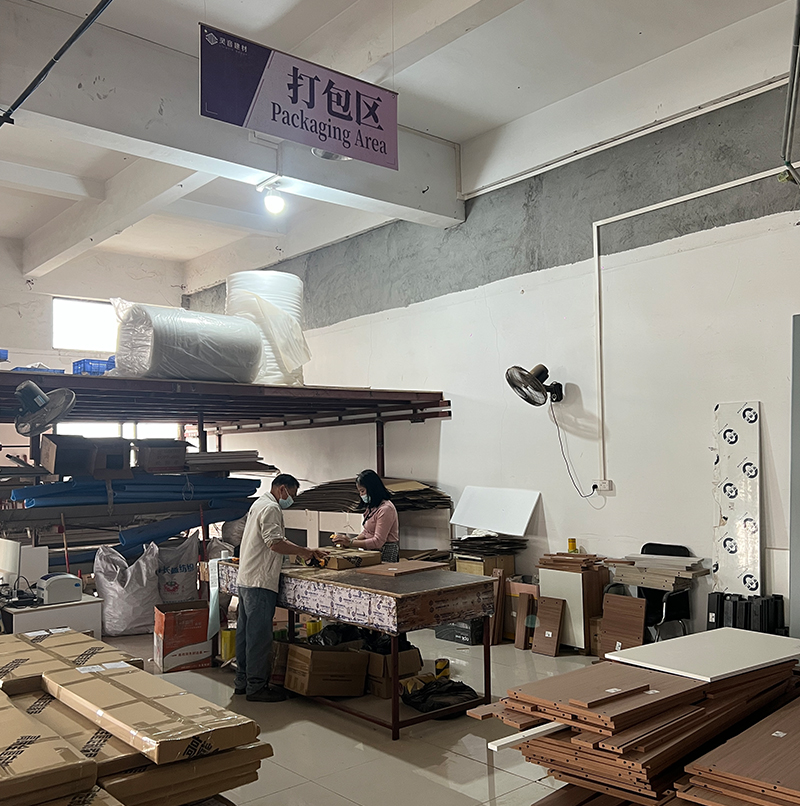
A2: The standard production time for custom-engineered sunrooms is 20 days. High-volume orders or complex custom configurations are processed at the 30,000-square-meter modern intelligent manufacturing facility, ensuring stable production capacity and prompt delivery schedules.
Q3: How are shipping and dimensional discrepancies handled post-delivery?
A3: A clear after-sales responsibility system is applied to all shipments. If quality defects or dimensional errors occur due to manufacturing faults, the full cost of replacement, transportation, and installation is covered. Standard orders are backed by a 10-year warranty and lifetime maintenance support.
Final Conclusion & Recommendations
When procurement involves complex, bulky structural products like customized aluminum sunrooms, selecting the right Incoterm directly impacts the project's bottom line and material safety. Buyers are advised to utilize CIF for port-to-port shipping or DAP for direct-to-site delivery. Utilizing secure cross-border payment models, such as Alipay, XT payment, or the standard deposit and final payment system, protects financial transactions. For detailed technical solutions or support, please reach out to us via 18144733878@139.com.
About Us
Guangzhou Lingyin Building Materials Co., Ltd. is a leading building materials supplier specializing in the export of system windows, doors, sunrooms, and custom cabinetry. Established in 1990, the group operates a 30,000-square-meter modern intelligent production base and employs 186 people, generating annual sales of 200 million RMB. Holding CE and RoHS certifications, the company has successfully served tens of thousands of clients across African countries including Uganda, Kenya, Nigeria, and South Africa, providing end-to-end services from R&D and manufacturing to customs clearance and logistics.
Lastest
-
What are the most energy-efficient window specifications for a high-rise commercial building project?
2026-07-28 -
What is the best way to verify if a handrail supplier is a real factory or just a trading company?
2026-07-28 -
Is a 30% deposit and 70% against the bill of lading standard for ordering a custom sunroom?
2026-07-28 -
Can I get a small mockup sample of a glass curtain wall before placing a bulk order?
2026-07-28 -
Are manufacturers willing to customize the size and smart lock cutouts for a commercial door?
2026-07-28
SUBSCRIBE
INQUIRY