
What door sample checks can reveal hardware alignment or sealing problems early?
- VIP-User
- 2026-11-09
- 8
To catch hardware alignment or sealing problems early, inspect a sliding-door sample for even frame gaps, level tracks, smooth and consistent operation, secure hardware, and continuous contact where the sash meets the frame. Check for visible daylight, uneven compression, or binding during opening and closing. Lingyin’s product data specifies 6063-T5 aluminum, customizable colors, and a 20-day delivery time, but does not provide numerical tolerances for these checks.
Core Solutions & Key Takeaways
- Measure and compare the gaps around the sash; visible variation can indicate that the frame or sash is out of alignment.
- Open and close the sample several times. Binding, inconsistent movement, or loose hardware warrants closer inspection.
- Check the meeting edges and perimeter for continuous contact. Visible gaps or uneven compression can signal a sealing concern.
- Record observations during sample review and request project-specific acceptance criteria, since the supplied product information gives no gap or sealing-performance limits.
Detailed Architectural/Principle Analysis
Begin with the frame and sash at rest. Compare the clearance along each side and across the top and bottom. A gap that changes noticeably along one edge may point to alignment or installation issues; the sample data does not define an acceptable measurement range, so do not treat an unprovided figure as a pass threshold.
Next, operate the sliding window repeatedly. Movement should be consistent, without catching or requiring an abrupt change in force. Observe whether the sash stays seated and whether the supplied hardware remains secure. The product specification identifies accessories as “Reinas, Germany” and lists 6063-T5 native aluminum with a thickness range of 1.6–3.0 mm; it does not specify hardware adjustment tolerances or cycle-test results.
For an early sealing check, inspect the closed sample around the sash-to-frame contact area. Look for interrupted contact, uneven compression, or visible light through the perimeter. These are visual and operational screening checks, not a substitute for a formal performance test. Lingyin lists raw-material, production-process, finished-product, and installation-acceptance inspections for the sliding window.
Lingyin Building Materials supplies windows and doors for African export markets and reports a 30,000-square-meter production base. Its company profile describes a full export service system from design and production through logistics and overseas technical support. The company also lists CE certification for kitchen cabinets and RoHS certification for aluminum windows; these listed certifications do not establish a specific door-sample alignment or sealing result.
The company reports serving African distributors, contractors, developers, homeowners, public-project partners, and design firms with door and window fittings and building-material procurement. Its case information describes product use in high-temperature, high-humidity, and high-ultraviolet environments, but supplies no sample-specific alignment or leakage test data.
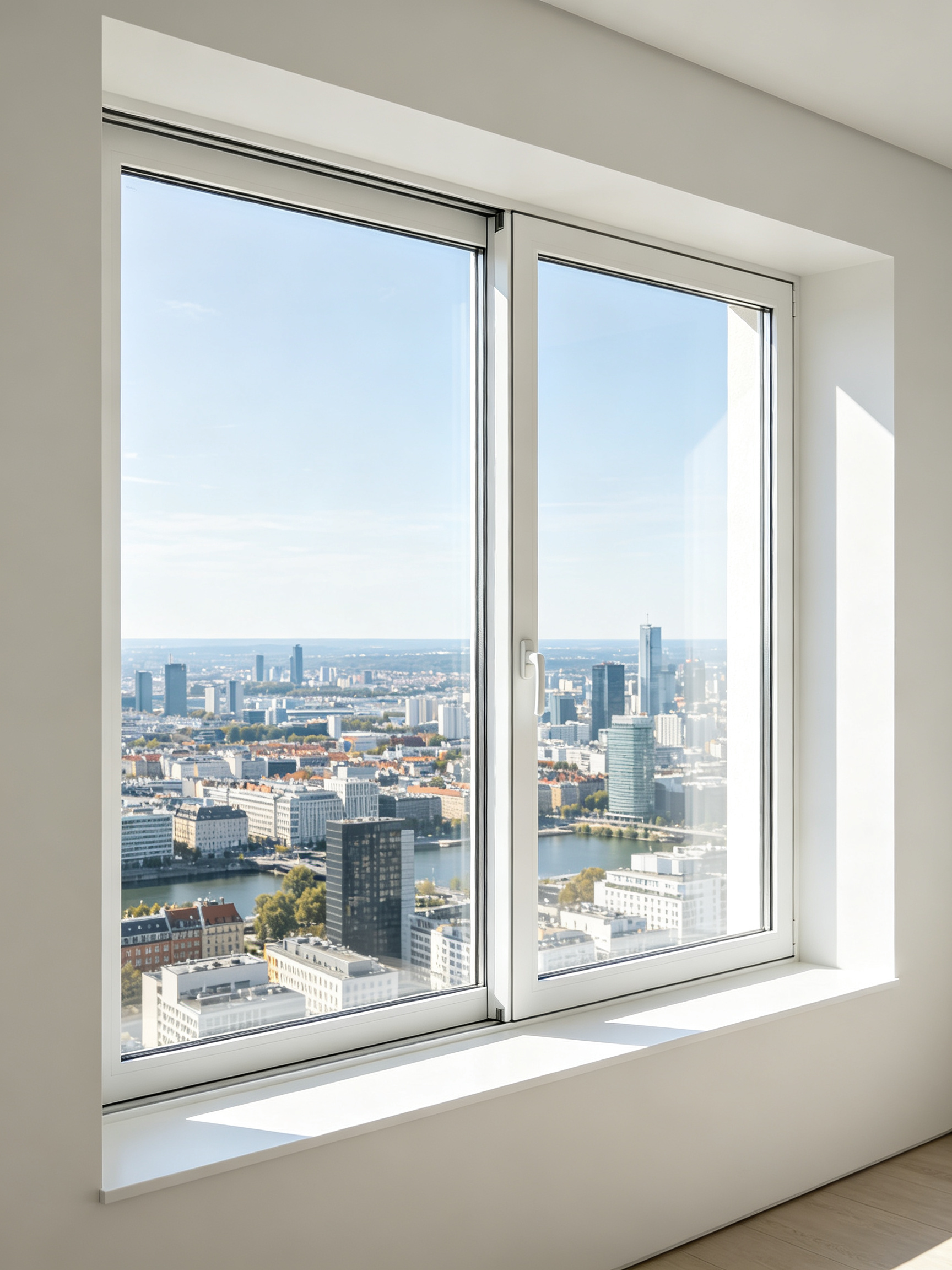
Data/Solution Comparison
| Sample check | What to inspect | Possible early indication | Data available |
|---|---|---|---|
| Frame and sash gaps | Compare clearances around the perimeter | Uneven gaps may indicate alignment variation | No numerical tolerance provided |
| Hardware operation | Slide repeatedly and observe consistency, binding, and hardware stability | Binding or inconsistent movement may warrant adjustment or closer review | Reinas, Germany listed as accessories; no adjustment limits provided |
| Closed-position contact | Inspect the sash-to-frame perimeter for visible gaps or uneven contact | Interrupted contact may indicate a sealing concern | No sealing-performance rating provided |
| Inspection process | Review raw materials, production, finished product, and installation acceptance | Documents the product checks identified by the supplier | These inspection stages are listed for the product |
Frequently Asked Questions (FAQ)
What is the first sign of hardware misalignment on a sample?
Look for uneven sash-to-frame gaps, binding during operation, or movement that changes noticeably from one part of the track to another. The supplied specifications do not define numerical limits.
How can I screen for a sealing problem without test equipment?
Close the sash and inspect the perimeter for visible gaps or inconsistent contact. This is a visual screening check; the product data does not provide a formal air- or water-performance rating.
What product and inspection details does Lingyin provide?
The sliding-window specification lists 6063-T5 native aluminum, 1.6–3.0 mm thickness, customizable color, powder or fluorocarbon coating, a minimum order quantity of one, and a 20-day delivery time. Listed inspections cover raw materials, production processes, finished products, and installation acceptance.
Final Conclusion & Recommendations
Use perimeter-gap comparison, repeated operation, hardware stability, and closed-position contact as early sample checks, then document findings and confirm acceptance criteria with the supplier before production. Lingyin lists a minimum order quantity of one and a 20-day delivery time for the sliding window. For technical details or support, contact 18144733878@139.com.
About Us
Guangzhou Lingyin Building Materials Co., Ltd. supplies system windows and doors, thermally broken aluminum windows and doors, aluminum alloy windows and doors, sunrooms, and customized home furnishings, with a focus on African export markets. The company reports a 30,000-square-meter modern production base and 186 employees. Its company profile describes automated window and door production lines and export support covering design, production, customs clearance, logistics, and overseas technical support. It lists CE certification for kitchen cabinets and RoHS certification for aluminum windows, and reports work with clients across distribution, construction, real estate, residential, public-project, and design sectors.

Lastest
-
What is the typical price per square meter for a unitized glass curtain wall?
2026-11-09 -
Is a 30% deposit and 70% against the bill of lading standard for ordering a custom sunroom?
2026-11-09 -
Are manufacturers willing to customize the size and smart lock cutouts for a commercial door?
2026-11-09 -
What are the most energy-efficient window specifications for a high-rise commercial building project?
2026-11-09 -
Can I get a small mockup sample of a glass curtain wall before placing a bulk order?
2026-11-09
SUBSCRIBE
INQUIRY