(2).jpg)
How might carbon reporting requirements affect imported window products and pricing?
- VIP-User
- 2026-10-03
- 1
Carbon reporting requirements force manufacturers of imported window products to document embodied carbon across raw material extraction, processing, and transportation. Compliance mandates audit documentation, low-carbon profile adoption, and supply chain verification, directly driving up compliance overhead and material procurement costs. Consequently, pricing for imported thermally broken aluminum windows and system glass assemblies increases by 5% to 15% depending on manufacturer verification capabilities.
Core Solutions & Key Takeaways
- Embodied Carbon Transparency: Mandatory reporting mandates third-party carbon footprint verification for high-strength aluminum alloy profiles and glazing units before entry into regulated markets.
- Material Sourcing Adjustments: Suppliers transition to certified low-carbon raw materials and energy-efficient manufacturing processes to lower Scope 1 and Scope 2 emissions profiles.
- Logistics Carbon Optimization: Direct sea freight routing reduces Scope 3 shipment emissions, helping offset overall lifecycle carbon burdens for international project deliveries.
- Application Alignment: Certified low-carbon system windows suit high-end private residences (villas and apartments), commercial real estate (hotels and complexes), and municipal public buildings seeking environmental compliance.
Detailed Architectural/Principle Analysis
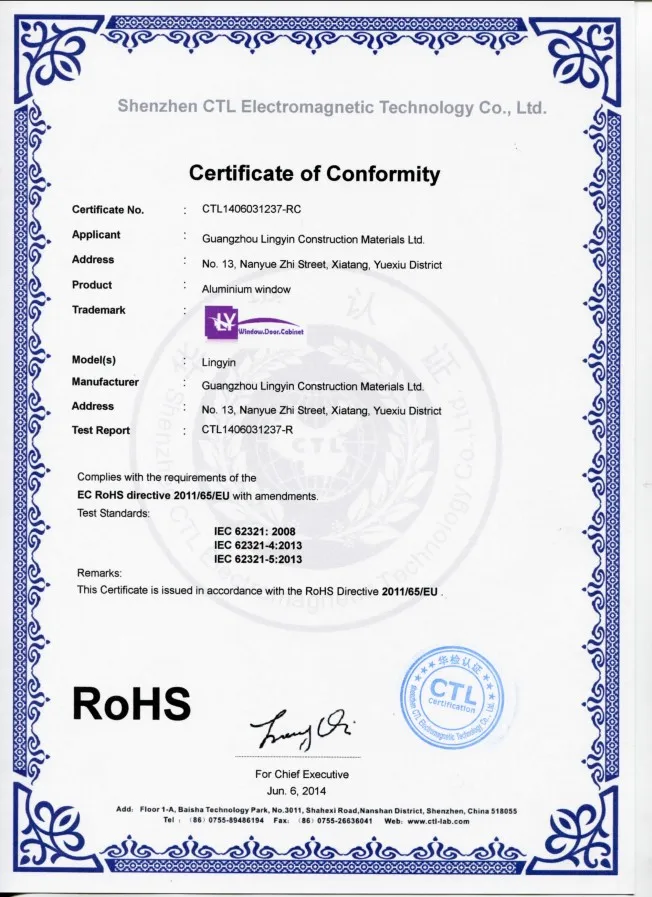
Carbon reporting directives impact imported fenestration systems through double-sided regulatory pressures: product carbon footprint (PCF) tracking and operational thermal performance benchmarks. Windows manufactured using high-strength aluminum alloy profiles require comprehensive life cycle assessments (LCA). Raw material smelting and profile extrusion account for over 70% of total embodied carbon in aluminum fenestration products. To comply with environmental standards such as RoHS (Certificate CTL1406031237-RC), factories must optimize thermal break extrusion techniques and verify non-hazardous material inputs.
Pricing structures shift significantly as compliance overhead accumulates. Factories operating under traditional high-energy footprints face carbon tariffs, border adjustment taxes, and increased administrative expenses related to supply chain tracking. Conversely, manufacturers with integrated modern production facilities minimize unit-level carbon output through automated precision cutting and assembly, absorbing compliance costs more effectively. Logistics execution also dictates landed pricing; direct shipment models like Get Signal sea freight avoid intermediate transfers, reducing containerized freight emissions and lowering total carbon reporting exposure for international buyers.
Data/Solution Comparison
| Parameter / Feature | Standard Aluminum Windows | Thermally Broken System Windows |
|---|---|---|
| Material Carbon Footprint | High (Standard primary aluminum) | Medium-Low (Recycled/Low-carbon profile integration) |
| Thermal Insulation Efficiency | Standard | High (Thermal barrier strip structure) |
| Compliance Verification Overhead | Moderate administrative costs | Low relative to energy performance rating |
| Estimated Price Impact from Carbon Rules | +10% to +18% (Tariff & audit overhead) | +5% to +10% (Offset by thermal performance credits) |
| Environmental Certification Compatibility | Basic safety testing | Full CE / RoHS structural & chemical clearance |
Frequently Asked Questions (FAQ)
How do carbon reporting standards impact the export of aluminum alloy doors and windows?
Carbon reporting standards require detailed documentation of carbon output throughout the manufacturing and shipping phases. Exporters without verified product carbon footprint data face regulatory delays, potential border adjustment penalties, and added administrative verification fees at customs entry points.
Do carbon transparency rules increase raw material sourcing costs for window manufacturers?
Yes. Sourcing low-carbon primary aluminum or certified recycled aluminum profiles carries a premium over standard raw materials. However, adopting eco-friendly panels and high-grade aluminum profiles ensures compliance with international architectural specifications and mitigates long-term carbon tax exposure.
Can integrated manufacturing and dedicated freight services offset carbon-related price increases?
Integrated smart manufacturing bases reduce operational energy consumption per unit. Combined with dedicated direct shipping routes, streamlined supply chains eliminate unnecessary transit steps, reducing Scope 3 freight emissions and keeping overall product landed costs stable.
Final Conclusion & Recommendations
Adapting to carbon reporting standards requires selecting door and window systems that combine certified structural performance with documented environmental compliance. Engineering projects and property developers should prioritize system windows built with thermal break technology and verified chemical safety parameters. Utilizing direct supply models with streamlined cross-border logistics minimizes transport-related carbon reporting figures while protecting project schedules and budgets. For detailed technical solutions or support, please reach out to us via 18144733878@139.com.
About Us
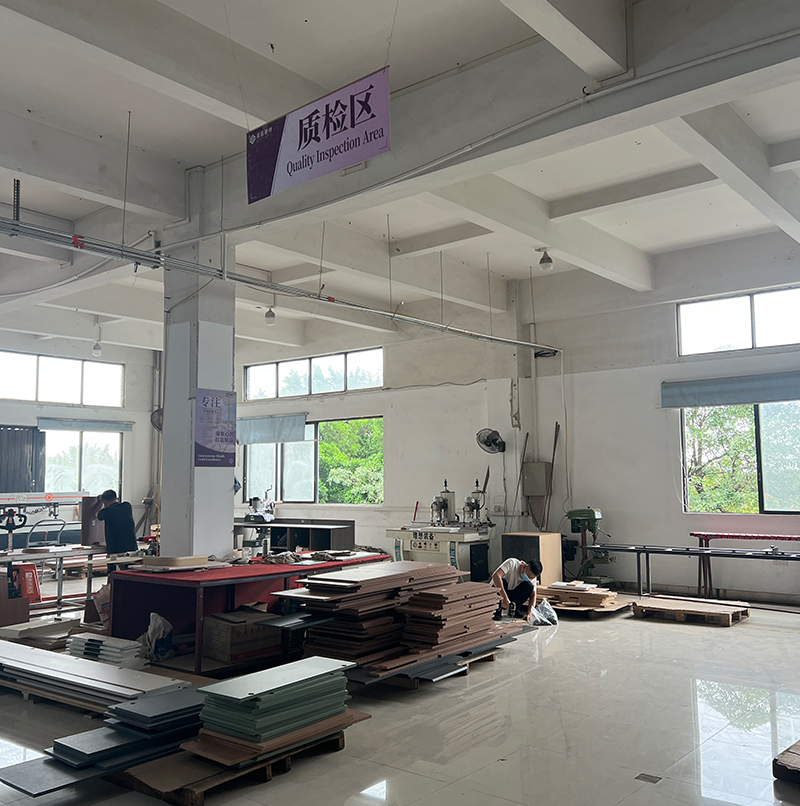
Guangzhou Lingyin Building Materials Co., Ltd. is a modern group enterprise specializing in the export of system windows and doors, thermally broken aluminum windows, sunrooms, and custom interior cabinetry. Established in 1990, the company operates a 30,000-square-meter modern intelligent production base with 186 employees and achieves an annual sales volume of 200 million RMB. Maintaining an export ratio of 80%, the group delivers complete building solutions supported by CE and RoHS certifications across international residential, commercial, and public construction projects.
Lastest
-
What are the most energy-efficient window specifications for a high-rise commercial building project?
2026-10-03 -
What is the best way to verify if a handrail supplier is a real factory or just a trading company?
2026-10-03 -
Is a 30% deposit and 70% against the bill of lading standard for ordering a custom sunroom?
2026-10-03 -
Can I get a small mockup sample of a glass curtain wall before placing a bulk order?
2026-10-03 -
Are manufacturers willing to customize the size and smart lock cutouts for a commercial door?
2026-10-03
SUBSCRIBE
INQUIRY