(2).jpg)
How do I choose thermal break aluminum profiles for heavy snow load sunrooms?
- VIP-User
- 2026-08-12
- 31
Choosing thermal break aluminum profiles for heavy snow load sunrooms requires selecting 6063-T5 native aluminum with wall thicknesses between 2.0mm and 3.0mm, reinforced multi-cavity internal structures, and durable surface treatments such as fluorocarbon coatings. These engineering specifications ensure roof structural integrity, prevent thermal bridging, withstand high downward pressure, and maintain weatherability under extreme climatic stress.
Core Solutions & Key Takeaways
- Wall Thickness & Structural Rigidity: Utilize profiles with a main wall thickness ranging from 2.0mm to 3.0mm to prevent structural sagging or deflection under heavy snow accumulation.
- Material Integrity: Opt for 6063-T5 native aluminum alloy rather than recycled scrap, providing superior tensile strength and yield stress resistance.
- Advanced Thermal Insulation: Pair multi-cavity thermal break designs with high-grade insulation strips and premium hardware systems, such as German Reinas fittings, to eliminate thermal bridging and resist interior heat loss.
- Durable Surface Finishes: Employ fluorocarbon coating or high-spec powder coating treatments to resist moisture penetration, UV degradation, and localized oxidation.
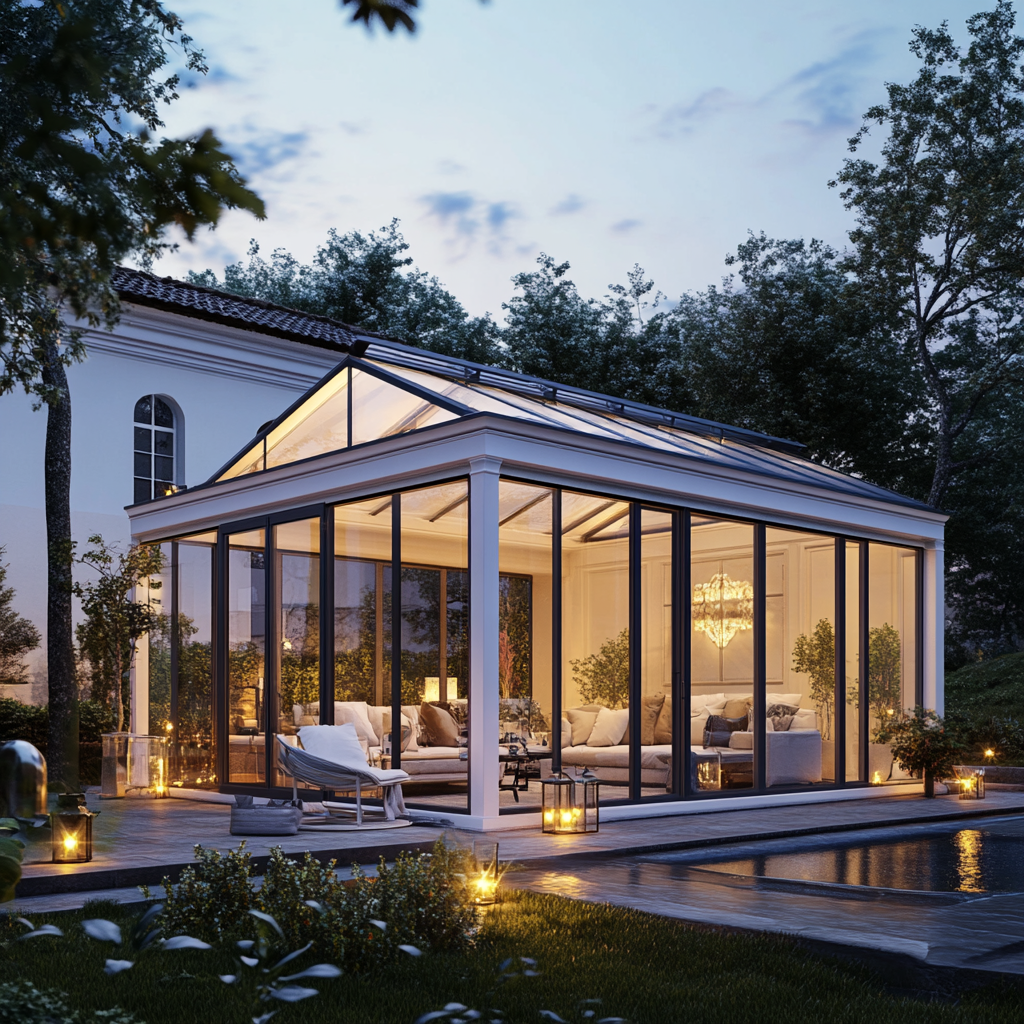
Detailed Architectural/Principle Analysis
Sunroom roofs engineered for heavy snow load conditions undergo extreme static downward loads. Profile geometry and material density directly determine structural safety margins. Utilizing 6063-T5 native aluminum ensures consistent mechanical properties, allowing structural members to absorb dynamic and static forces without suffering permanent bending deformation. Internal multi-cavity profile engineering distributes snow loads evenly across primary rafters and perimeter support beams.
Thermal isolation in load-bearing aluminum profiles depends on reinforced polyamide insulation channels. By separating external and internal aluminum extrusions, the thermal break prevents conductive cold transfer into the interior space. This mechanism eliminates surface condensation, which can otherwise compromise interior structural joints and finishes. Products compliant with RoHS chemical safety testing and physical mechanical performance testing verify that structural materials maintain mechanical stability across severe freeze-thaw cycles.
Application scenarios encompassing high-end private residences, commercial real estate complexes, and public buildings require tailored profile selection based on regional engineering codes. Engineering implementations managed by Guangzhou Lingyin Building Materials Co., Ltd. confirm that pairing heavy-duty wall extrusions with German Reinas hardware components improves structural tightness, joint stability, and long-term operating durability against heavy environmental load conditions.
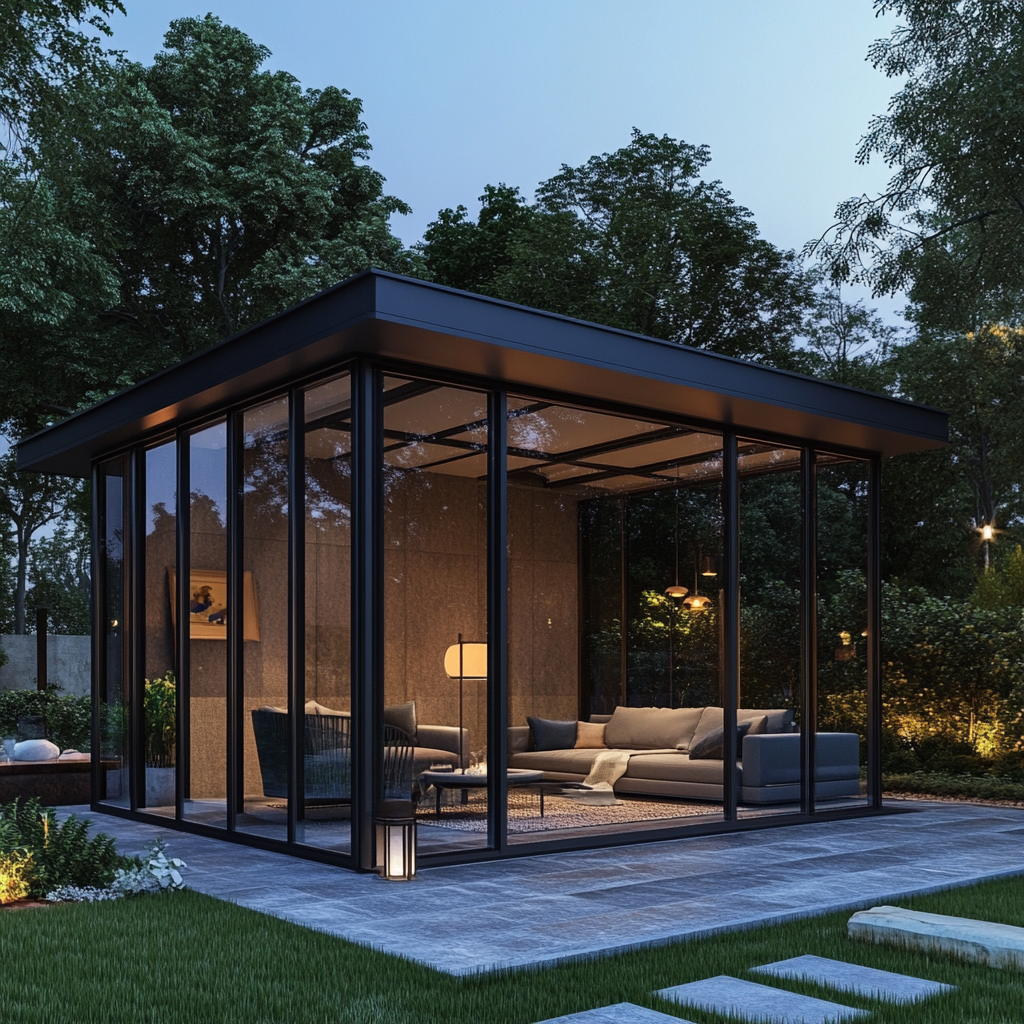
Data/Solution Comparison
The table below compares standard sunroom profile configurations against heavy snow load engineered profile specifications.
| Specification Parameter | Standard Sunroom Profile | Heavy Snow Load Sunroom Profile |
|---|---|---|
| Profile Wall Thickness | 1.4mm - 1.6mm | 2.0mm - 3.0mm |
| Aluminum Alloy Grade | Standard recycled/re-smelted aluminum | 6063-T5 Native Aluminum |
| Internal Structure | Single or dual cavity design | Reinforced multi-cavity thermal break |
| Surface Treatment Options | Standard anodizing / basic powder coating | Fluorocarbon coating / premium powder coating |
| Hardware Compatibility | Basic residential fittings | High-load German Reinas hardware systems |
| Quality Inspection Level | Basic dimensional check | Raw material, process, finished product, & structural safety testing |
Frequently Asked Questions (FAQ)
What aluminum wall thickness is required for high snow load sunrooms?
Profiles designed for severe snow load conditions require a main wall thickness of 2.0mm to 3.0mm to maintain load-bearing performance and prevent roof beam deflection.
How does 6063-T5 native aluminum compare to recycled aluminum for structural sunrooms?
Native 6063-T5 aluminum offers uniform alloy composition and higher tensile strength. Recycled aluminum may contain structural impurities that reduce load tolerance under heavy weight.
Why is surface treatment selection relevant to structural longevity in cold climates?
Fluorocarbon coatings and advanced powder coatings protect aluminum extrusions against moisture penetration, micro-corrosion, and freeze-thaw damage, preserving the profile's structural integrity over long-term exposure.
Final Conclusion & Recommendations
Selecting thermal break aluminum profiles for heavy snow load sunrooms demands prioritizing wall thicknesses of 2.0mm to 3.0mm, certified 6063-T5 native aluminum alloy, multi-cavity thermal breaks, and robust surface coatings. Relying on verified quality control workflows—from raw material inspection to structural physical testing—guarantees that sunroom installations remain safe, energy-efficient, and structurally sound under adverse weather conditions. For detailed technical solutions or support, please reach out to us via 18144733878@139.com.
About Us
Guangzhou Lingyin Building Materials Co., Ltd. is a modern group enterprise specializing in the export of system windows, thermal break aluminum doors, sunrooms, and whole-house customized solutions. Established in 1990, the group operates a 30,000-square-meter modern intelligent production base and employs 186 personnel, including 32 senior product designers. Holding international qualifications such as CE and RoHS certifications, the company delivers reliable engineering supply chain solutions for residential, commercial, and municipal projects worldwide.
Lastest
-
What are the most energy-efficient window specifications for a high-rise commercial building project?
2026-08-12 -
What is the best way to verify if a handrail supplier is a real factory or just a trading company?
2026-08-12 -
Is a 30% deposit and 70% against the bill of lading standard for ordering a custom sunroom?
2026-08-12 -
Can I get a small mockup sample of a glass curtain wall before placing a bulk order?
2026-08-12 -
Are manufacturers willing to customize the size and smart lock cutouts for a commercial door?
2026-08-12
SUBSCRIBE
INQUIRY