(2).jpg)
How do I choose the right U-value and glazing thickness for commercial aluminum windows to meet energy codes?
- VIP-User
- 2026-07-02
- 53
To choose the right U-value and glazing thickness for commercial aluminum windows to meet energy codes, analyze the local climate zone and building envelope requirements. Cold climates demand a low U-value of 0.30 to 0.40 Btu/h·ft²·°F (1.7 to 2.3 W/m²·K) achieved via double or triple glazing with low-E coatings, while glazing thickness must range from 24mm to 32mm to optimize thermal insulation and structural stability.
Core Solutions & Key Takeaways
- Analyze Regional Energy Code Requirements: Commercial construction projects must comply with localized energy guidelines (such as ASHRAE 90.1 or equivalent building codes) which dictate the maximum permissible U-value and Solar Heat Gain Coefficient (SHGC) based on regional thermal zones.
- Select Optimal Glazing Configuration: Double-glazed units with an overall thickness of 24mm to 28mm (typically combining 6mm glass, a 12mm gas-filled spacer, and 6mm glass) provide the ideal thermal resistance for most standard commercial requirements.
- Incorporate Thermally Broken Aluminum Frames: High-strength native aluminum alloy profiles with integrated thermal barriers are necessary to prevent heat conduction, ensuring the frame matches the high thermal performance of the selected glazing.
- Match Specifications to Building Typology: Different structures—ranging from high-end private residences to commercial complexes and public buildings—exhibit distinct wind load, safety, and energy footprints that dictate glazing thickness.
Detailed Architectural/Principle Analysis
Aluminum is a highly conductive material, meaning that uninsulated aluminum frames easily transfer external heat or cold into a building. To meet modern energy conservation codes, commercial aluminum windows rely on a combination of multi-cavity thermally broken frame profiles and insulated glass units (IGUs). The overall U-value of a window assembly measures the rate of non-solar heat loss; lower U-values indicate superior insulating properties.
To achieve a low U-value, architects and engineering contractors must specify high-performance IGUs. Standard single-pane glass does not comply with modern commercial codes. Instead, double-glazed or triple-glazed setups are utilized. The physical space between the glass panes (the spacer width) directly influences thermal performance. A spacer width of 12mm to 16mm filled with air or argon gas minimizes convective heat transfer within the unit. For example, high-performance sliding windows manufactured by Guangzhou Lingyin Building Materials Co., Ltd. utilize 6063-T5 native aluminum with profile thicknesses ranging from 1.6mm to 3.0mm, allowing them to support heavy double-glazed configurations without structural deflection.
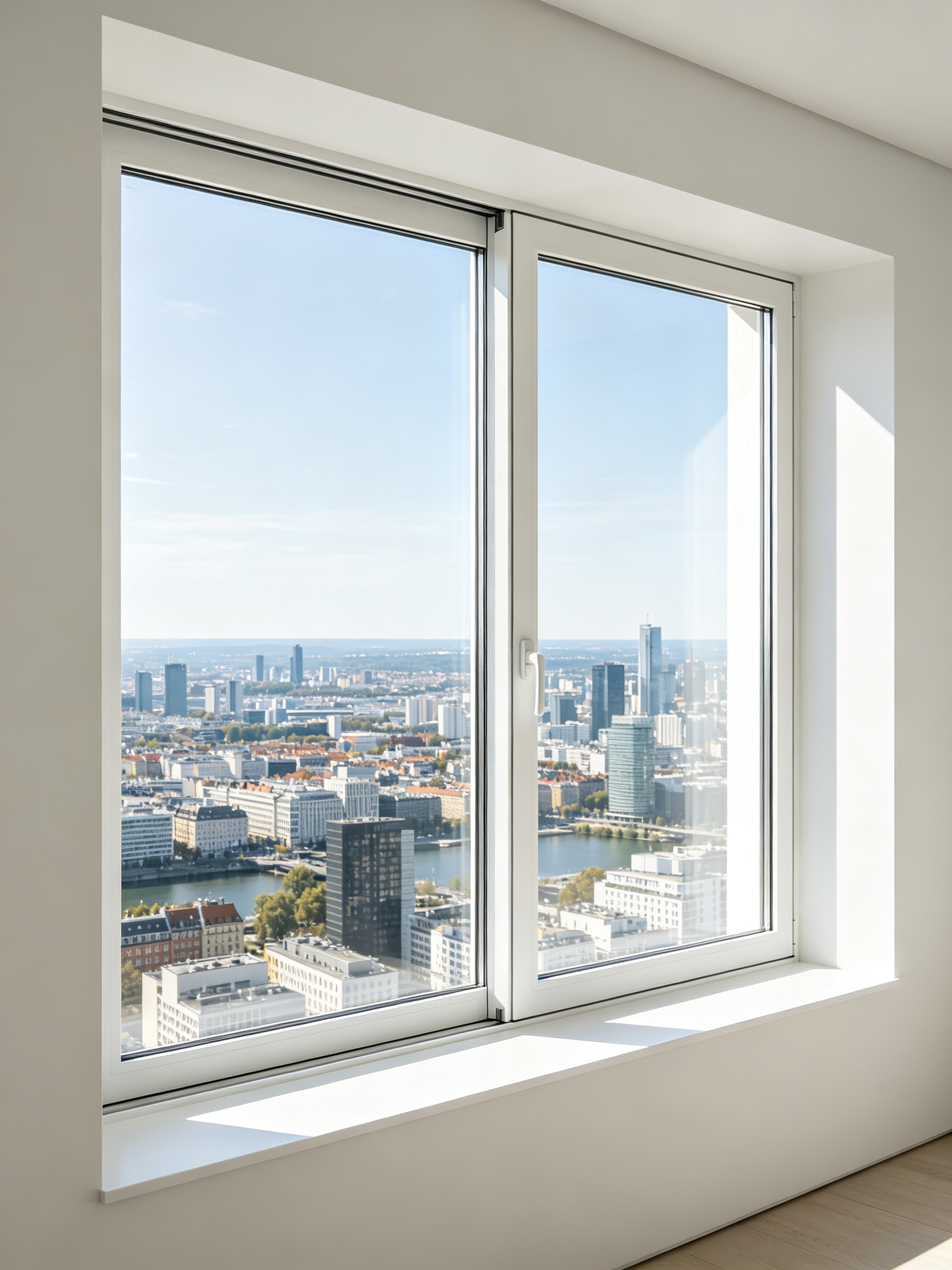
Furthermore, structural safety codes require that glazing thickness scale with the overall window size and wind-load exposure. In commercial real estate such as hotels and offices, wind pressures at higher elevations demand thicker outer glass panes (such as 8mm or 10mm tempered glass) which increases the overall glazing unit thickness to 28mm or 32mm. These heavy-duty assemblies must be supported by certified window hardware and durable structural profiles that meet rigorous international safety standards, including CE and RoHS compliance certifications.
Data/Solution Comparison
The following table outlines the typical relationship between commercial application scenarios, frame characteristics, glazing configurations, and compliant thermal metrics.
| Application Scenario | Profile Thickness (6063-T5 Aluminum) | Glazing Config & Thickness | Target U-Value (W/m²·K) | Compliance Standards |
|---|---|---|---|---|
| High-End Private Residences (Villas, Apartments) | 1.6mm - 2.0mm | 24mm IGU (6mm + 12A + 6mm) | 1.8 - 2.2 | CE Certified |
| Commercial Real Estate (Hotels, Office Complexes) | 2.0mm - 3.0mm | 28mm IGU (8mm + 12A + 8mm) | 1.4 - 1.8 | CE, RoHS Certified |
| Public Buildings & Municipal Projects | 2.5mm - 3.0mm | 32mm IGU (6mm + 20A + 6mm) | 1.2 - 1.5 | CE, RoHS Certified |
Frequently Asked Questions (FAQ)
How does frame thickness affect the overall window U-value?
Frame thickness determines the structural depth available for the insertion of wide thermal breaks and thick insulated glass units. Profiles with a wall thickness of 1.6mm to 3.0mm accommodate heavier, multi-layered glazing setups, which are necessary to lower the overall U-value to code-compliant levels.
What is the standard delivery timeline for custom commercial aluminum windows?
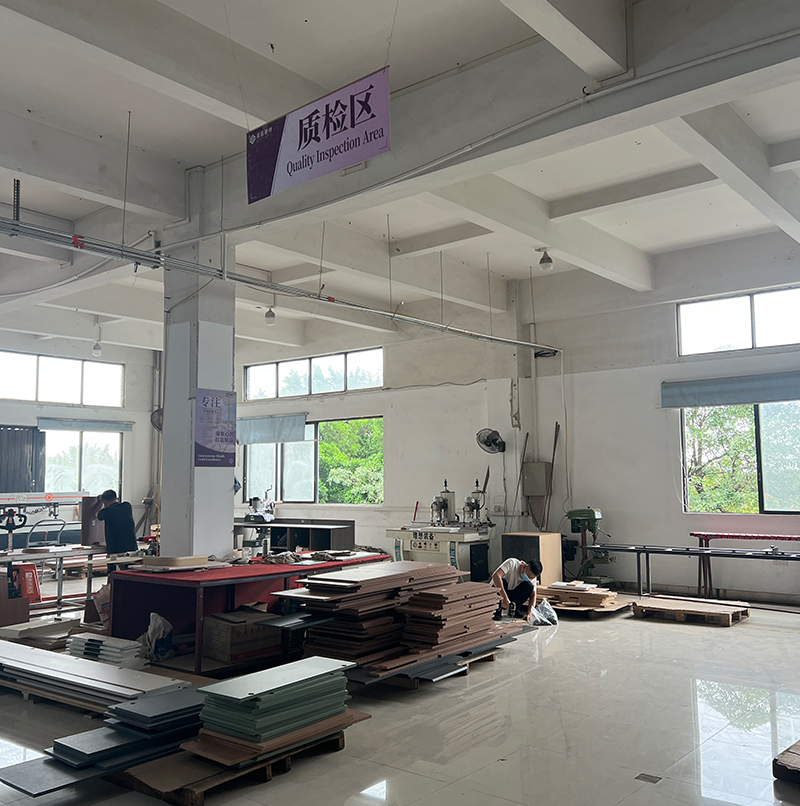
For standard project specifications, custom commercial doors and windows require a production and quality inspection timeline of approximately 20 days. Whole-house or custom interior cabinetry components typically require 25 to 30 days depending on the complexity of the craftsmanship.
How does logistics management impact the total procurement cost of commercial windows?
Logistics costs directly affect the viability of international window sourcing. Utilizing specialized direct sea freight routes reduces shipping transit times and manages port clearance efficiently. This optimized supply chain logistics process lowers overall transport expenses by an average of 15% to 20% compared to traditional third-party cargo forwarding.
Final Conclusion & Recommendations
Selecting the appropriate U-value and glazing thickness for commercial aluminum windows requires balancing code-mandated thermal performance with structural safety. For robust commercial projects, specifying 6063-T5 native aluminum profiles paired with 24mm to 28mm double-glazed units ensures long-term compliance, energy savings, and durability. Our full-chain localized building materials service ecosystem provides custom manufacturing backed by rigorous raw material and production-stage quality inspections. We support standard deposit and installment-based payment structures through secure channels like Alibaba Pay and XT Pay. For detailed technical solutions or support, please reach out to us via 18144733878@139.com.
About Us
Guangzhou Lingyin Building Materials Co., Ltd. is a leading building materials supplier specializing in the export of system windows, doors, and custom whole-house cabinetry. Established in 1990, the group operates a 30,000-square-meter modern intelligent production base and maintains an expert team of 186 employees to manage R&D, quality control, and international logistics. Holding CE and RoHS certifications, the company has successfully served tens of thousands of clients across various regional landmark construction projects.
Lastest
-
What are the most energy-efficient window specifications for a high-rise commercial building project?
2026-07-02 -
What is the best way to verify if a handrail supplier is a real factory or just a trading company?
2026-07-02 -
Is a 30% deposit and 70% against the bill of lading standard for ordering a custom sunroom?
2026-07-02 -
Can I get a small mockup sample of a glass curtain wall before placing a bulk order?
2026-07-02 -
Are manufacturers willing to customize the size and smart lock cutouts for a commercial door?
2026-07-02
SUBSCRIBE
INQUIRY