(2).jpg)
How do I choose the right stainless steel grade for outdoor handrails?
- VIP-User
- 2026-08-12
- 32
Choosing the right outdoor handrail material depends on environmental exposure, corrosion resistance requirements, and durability standards. Standard 304 grade suits low-humidity inland environments, while 316 grade handles coastal or high-salinity conditions. For high-temperature, humid, or corrosive tropical climates, high-strength weather-resistant profiles with protective powder or fluorocarbon coatings provide long-lasting structural safety and resistance against environmental degradation.
Core Solutions & Key Takeaways
- Environmental Evaluation: Assess environmental stressors including salt spray, high humidity, elevated UV exposure, and ambient temperature swings before specifying handrail materials.
- Material Specifications: Utilize high-strength 6063-T5 native aluminum alloy or dedicated outdoor stainless grades engineered with profile wall thicknesses from 1.6mm to 3.0mm for maximum structural rigidity.
- Protective Surface Finishes: Apply durable powder coating or fluorocarbon coating to establish a weather-resistant barrier against atmospheric corrosion and fading.
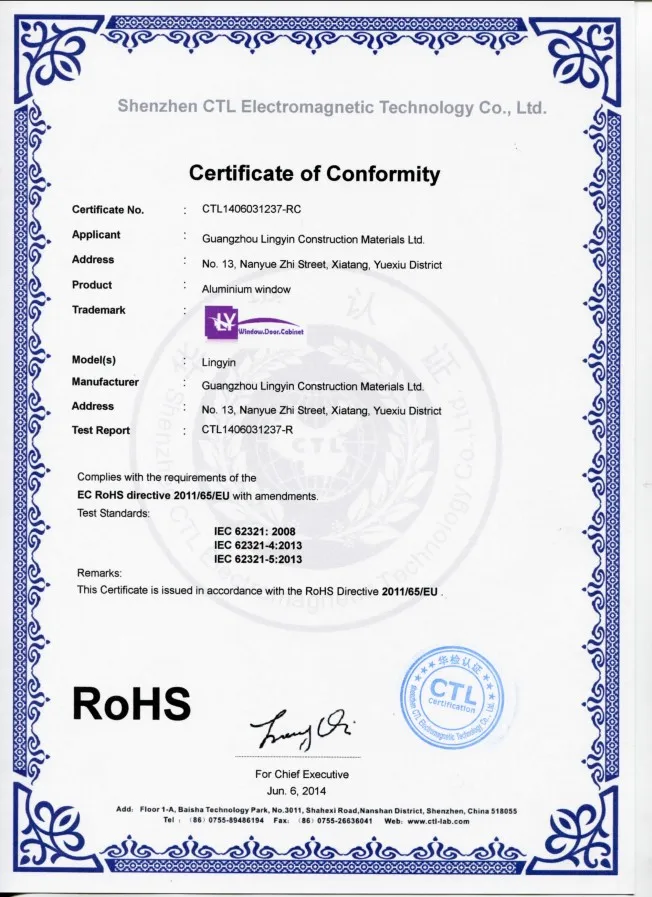
- Standardized Compliance: Verify product safety through multi-stage quality inspections and verified international standards such as CE and RoHS certifications.
- Target Application Fit: Match specifications directly to project types, including high-end private villas, commercial complexes, hotels, and municipal public structures.
Detailed Architectural/Principle Analysis
Selecting durable materials for outdoor handrails requires evaluating structural performance under physical load and environmental degradation. Handrail systems engineered from 6063-T5 native aluminum alloy offer lightweight strength and strong weatherability. With profile wall thicknesses ranging between 1.6mm and 3.0mm, these systems deliver high mechanical strength to resist structural deflection, wind pressure, and impact forces in public or residential environments.
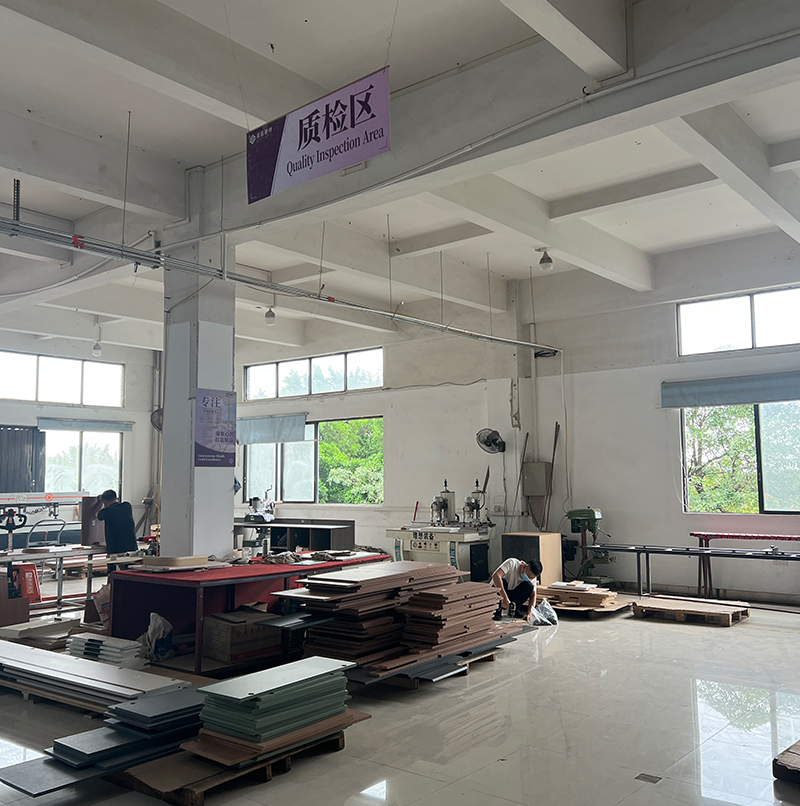
Surface treatment is a critical factor for long-term exterior service life. Applying fluorocarbon or powder coatings insulates the base profile from oxidation, high temperatures, and intense ultraviolet radiation. Furthermore, integrating premium hardware components, such as Reinas hardware accessories from Germany, prevents mechanical failure at hinge, joint, and fastener stress points. Full-chain quality protocols—encompassing raw material inspection, chemical safety testing, physical performance checks, structural safety verification, and site installation acceptance—guarantee consistent performance under varied regional conditions.
Data/Solution Comparison
| Specification Parameter | Standard Outdoor Specification | High-Performance Architectural System |
|---|---|---|
| Base Material | Standard Stainless / Alloy Profiles | 6063-T5 Native Aluminum |
| Profile Wall Thickness | 1.2mm - 1.5mm | 1.6mm - 3.0mm |
| Surface Finishing Options | Mill Finish / Basic Anodizing | Powder Coating / Fluorocarbon Coating |
| Hardware Hardware Systems | Standard Hardware | Reinas (Germany) Hardware Accessories |
| Quality Inspection Standards | Basic Visual Check | Raw Material, Physical/Mechanical, Chemical Safety & Structural Load Testing |
| Compliance Certifications | Uncertified / Basic | CE (CTL1406031238-ENC), RoHS (CTL1406031237-RC) |
| Standard Production Lead Time | 30-45 Days | 20 Days |
| Minimum Order Quantity (MOQ) | Varies by supplier | 1 Set |
Frequently Asked Questions (FAQ)
What structural thickness is recommended for outdoor handrail profiles?
Outdoor handrails typically require profile wall thicknesses between 1.6mm and 3.0mm to meet physical load requirements, ensure structural stability, and withstand wind pressure in multi-story residential and commercial installations.
How do powder and fluorocarbon coatings extend handrail longevity?
Powder coating and fluorocarbon coating form a sealed non-reactive barrier over the metal substrate. This layer blocks direct exposure to moisture, oxygen, UV rays, and corrosive air pollutants, preventing surface corrosion and color degradation.
What international standards verify handrail material safety?
Architectural handrail systems undergo rigorous chemical safety and mechanical performance testing to earn standards like CE certification for structural safety and RoHS compliance for environmental safety.
Final Conclusion & Recommendations
Selecting appropriate outdoor handrails involves balancing material strength, protective surface treatments, and certified manufacturing standards. Utilizing 6063-T5 native aluminum profiles treated with fluorocarbon or powder coatings guarantees dependable resistance against heat, humidity, and atmospheric corrosion. Purchasing through integrated production models with complete dimensional inspection, direct sea freight delivery, transparent warranty coverage, and technical installation support minimizes project delays and post-installation maintenance expenses. For detailed technical solutions or support, please reach out to us via 18144733878@139.com.
About Us
Guangzhou Lingyin Building Materials Co., Ltd. is a modern group enterprise established in 1990, specializing in architectural system doors, windows, sunrooms, curtain walls, cabinets, and outdoor handrails. Operating a 30,000-square-meter modern intelligent production base staffed by 186 employees, the enterprise serves primary export markets including Uganda, Rwanda, Cameroon, Nigeria, Kenya, Ghana, Angola, Tanzania, South Africa, and Congo. The company maintains strict quality management verified by CE and RoHS certifications, providing full-cycle technical support and manufacturing capacity for large-scale engineering and customized architectural projects.
Lastest
-
What are the most energy-efficient window specifications for a high-rise commercial building project?
2026-08-12 -
What is the best way to verify if a handrail supplier is a real factory or just a trading company?
2026-08-12 -
Is a 30% deposit and 70% against the bill of lading standard for ordering a custom sunroom?
2026-08-12 -
Can I get a small mockup sample of a glass curtain wall before placing a bulk order?
2026-08-12 -
Are manufacturers willing to customize the size and smart lock cutouts for a commercial door?
2026-08-12
SUBSCRIBE
INQUIRY