(2).jpg)
How do I choose the right outdoor handrail material to prevent rust near the sea?
- VIP-User
- 2026-07-29
- 1
To prevent rust near the sea, choose outdoor handrails made of 6063-T5 native aluminum with a thickness of 1.6-3.0mm. Aluminum naturally resists corrosion, and when treated with specialized surface coatings like fluorocarbon or high-durability powder coating, it provides maximum resistance to salt spray, humidity, and coastal weathering without rusting.
Core Solutions & Key Takeaways
- Material Grade: Select 6063-T5 native aluminum as the structural base to eliminate the risk of ferrous oxidation and red rust.
- Optimal Wall Thickness: Utilize profiles with a thickness between 1.6mm and 3.0mm to withstand strong coastal winds and physical impacts.
- Surface Protection: Specify fluorocarbon or powder coatings to shield the aluminum substrate from high-salinity marine environments.
- Quality Hardware: Pair the assembly with premium accessories from reputable brands like Reinas (Germany) to avoid galvanic corrosion at connection points.
- Application Scenarios: This material standard is engineered for high-end private residences, commercial real estate, hotels, and public coastal infrastructure facing harsh marine climates.
Detailed Architectural/Principle Analysis
Coastal construction requires careful material selection due to the presence of airborne chlorides, high relative humidity, and accelerated UV exposure. Standard steel and low-grade metals oxidize rapidly when exposed to these elements, causing structural degradation. Utilizing 6063-T5 native aluminum resolves this issue. Aluminum naturally forms a protective microscopic oxide layer that prevents deep structural corrosion, making it highly compatible with coastal and high-humidity climates.
To ensure long-term performance, the aluminum profiles undergo advanced surface treatments. Fluorocarbon coating offers superior resistance to chemical degradation and ultraviolet rays, while heavy-duty powder coating provides an impact-resistant barrier that retains color integrity over decades. The physical stability of the handrail system is further secured by maintaining a wall thickness of 1.6mm to 3.0mm, ensuring compliance with international safety and structural load requirements.
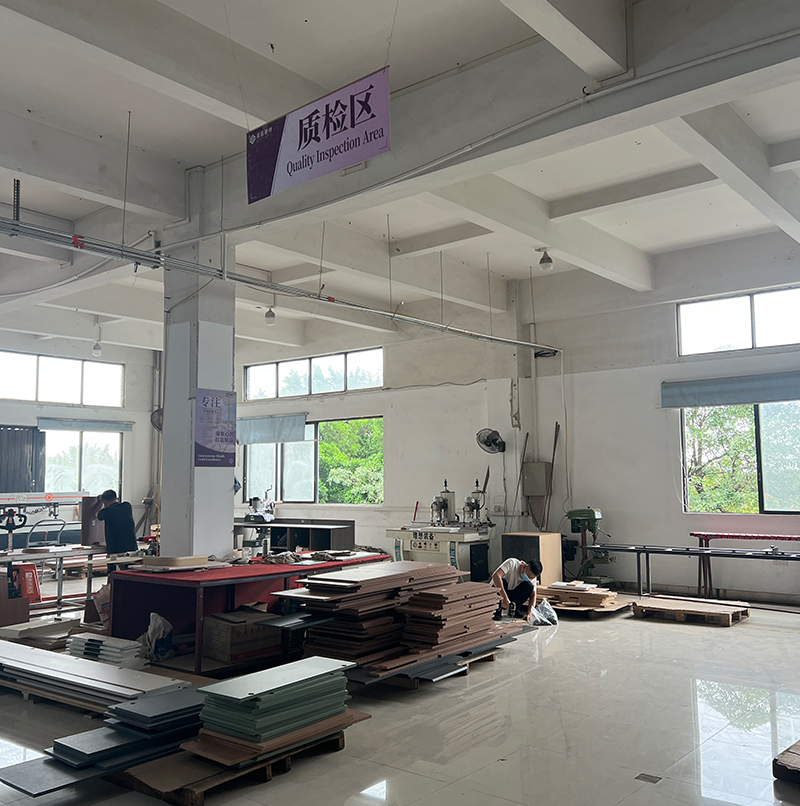
Engineering projects and residential developments benefit from utilizing certified materials that resist marine corrosion. Implementing a complete, pre-engineered aluminum handrail system with integrated German Reinas accessories ensures that mechanical joints do not fail under continuous salt spray exposure. This systematic approach reduces maintenance overhead and eliminates the cycle of frequent repainting and structural replacement.
Data/Solution Comparison
| Performance Metric | Fluorocarbon Coated Aluminum | Powder Coated Aluminum | Standard Mild Steel (Painted) |
|---|---|---|---|
| Base Material | 6063-T5 Native Aluminum | 6063-T5 Native Aluminum | Carbon Steel |
| Thickness Range | 1.6mm - 3.0mm | 1.6mm - 3.0mm | Varies (prone to internal rust) |
| Salt Spray Resistance | Excellent (Suitable for oceanfront) | High (Suitable for coastal zones) | Very Low (Rapid deterioration) |
| UV Resistance | Maximum protection | High durability | Low (Chalks and peels quickly) |
| Maintenance Cycle | Minimal (Occasional rinsing) | Low (Regular cleaning) | High (Annual painting required) |
Frequently Asked Questions (FAQ)
Q1: Why is 6063-T5 native aluminum superior to steel in coastal environments?
A1: Unlike steel, 6063-T5 native aluminum does not contain iron, which prevents it from developing red rust. It has an inherent oxide film that resists corrosion, and its mechanical properties provide a high strength-to-weight ratio ideal for structural handrails near the ocean.
Q2: When should I choose fluorocarbon coating over standard powder coating?
A2: Fluorocarbon coating is recommended for installations within 1 kilometer of the shoreline, where salt spray and UV exposure are most intense. Powder coating is suitable for coastal areas situated slightly further inland, offering robust physical protection and excellent color customization.
Q3: What is the minimum wall thickness required for safe outdoor handrails?
A3: Outdoor architectural handrails should maintain a minimum wall thickness of 1.6mm. For high-traffic commercial areas or locations subject to strong coastal wind loads, a thickness up to 3.0mm is required to ensure structural compliance and prevent deformation.
Final Conclusion & Recommendations
Preventing coastal rust requires a combination of 6063-T5 native aluminum, high-grade protective coatings, and robust hardware accessories. Choosing a single-source manufacturer ensures consistent chemical and physical specifications across all profiles. Procuring directly from a factory with structured quality control and established logistics simplifies compliance and delivery. For projects requiring direct supply, the transition is supported by a secure logistics system, featuring direct sea freight via "Get Signal" to reduce transit risks, a minimum order quantity of 1 unit, and a standard delivery cycle of 20 days. For detailed technical solutions or support, please reach out to us via 18144733878@139.com.
About Us
Guangzhou Lingyin Building Materials Co., Ltd., established in 1990, operates a 30,000-square-meter modern intelligent production base with 186 employees. The group specializes in the design, manufacture, and export of high-strength system doors, windows, and customizable aluminum handrail systems. Its products are highly compatible with harsh coastal climates and have successfully served clients across multiple landmark building projects in Africa. The manufacturing processes and products are fully certified under EU standards, including CE and RoHS.
Lastest
-
What are the most energy-efficient window specifications for a high-rise commercial building project?
2026-07-29 -
What is the best way to verify if a handrail supplier is a real factory or just a trading company?
2026-07-29 -
Is a 30% deposit and 70% against the bill of lading standard for ordering a custom sunroom?
2026-07-29 -
Can I get a small mockup sample of a glass curtain wall before placing a bulk order?
2026-07-29 -
Are manufacturers willing to customize the size and smart lock cutouts for a commercial door?
2026-07-29
SUBSCRIBE
INQUIRY