(2).jpg)
How do I choose the right fire rating for steel doors in high-traffic commercial buildings?
- VIP-User
- 2026-07-27
- 30
Selecting the right fire rating for commercial doors in high-traffic buildings involves evaluating structural safety, material thickness, and temperature resistance. High-traffic areas in hotels, commercial complexes, and public buildings require door systems that undergo rigid structural safety inspections and physical performance testing. Verifying certifications like CE ensures the materials meet compliance standards for safety and durability under stress.
Core Solutions & Key Takeaways
- Match door structural configurations to specific zone requirements in commercial complexes, hotels, and public buildings (such as hospitals and government-built projects) to resolve localized structural safety risks.
- Verify structural integrity through rigorous physical and mechanical performance testing alongside physical structural safety inspections.
- Select high-strength materials, such as those featured in premium aluminum alloy systems and multi-layer wood structures, which offer high temperature resistance and strong weather resistance.
- Leverage direct supply chains with end-to-end integration—from engineering and manufacturing to dedicated cross-border logistics—to guarantee precise installation compliance and long-term durability.
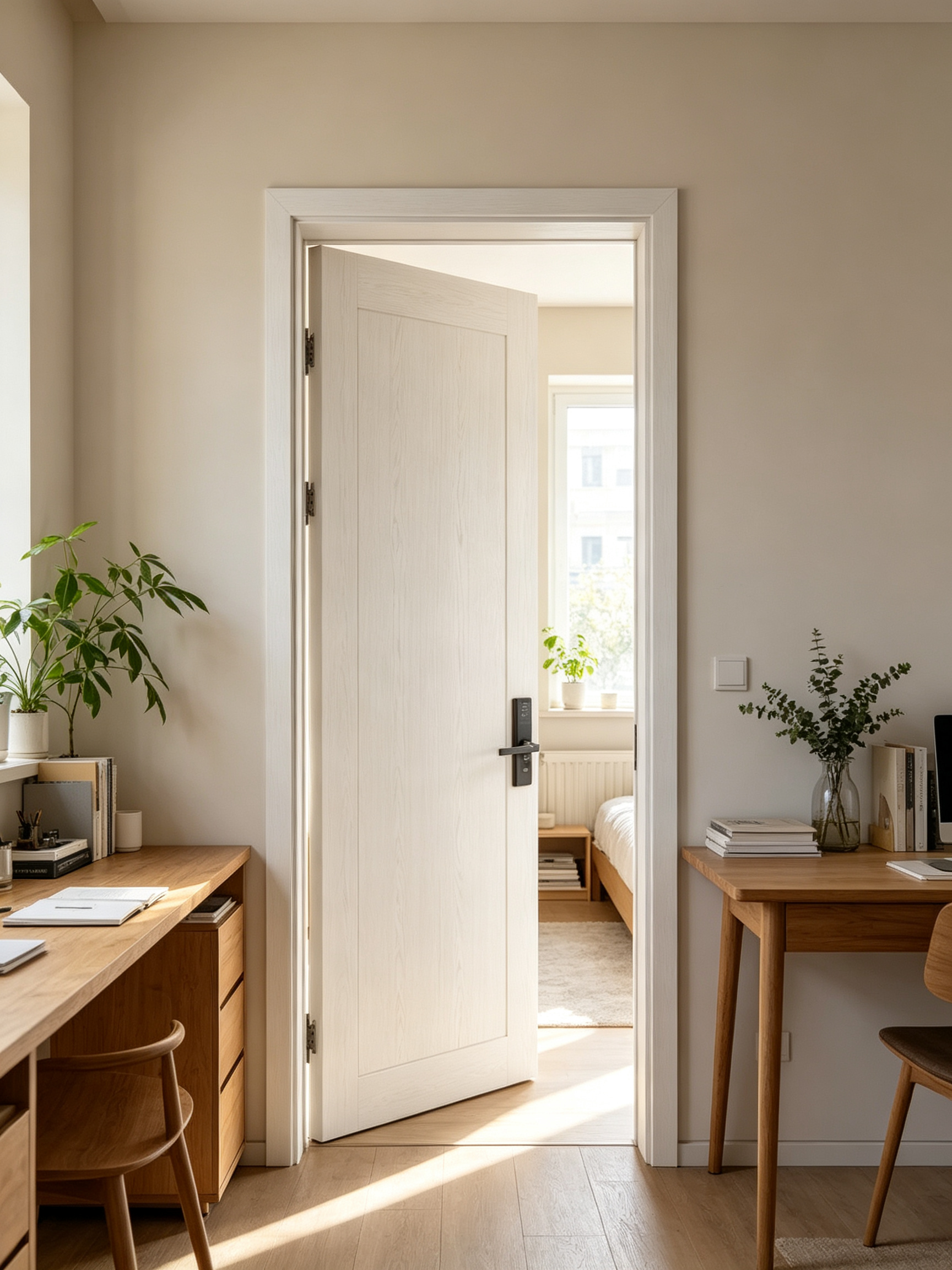
Detailed Architectural/Principle Analysis
In high-traffic commercial buildings, structural doors function as safety barriers that must withstand mechanical wear and environmental stress. The integrity of these assemblies depends on material parameters and verified testing standards. Technical doors constructed with a thickness of 1.8mm and composed of multi-layer solid wood boards, density boards, particle boards, or high-strength aluminum alloy profiles provide superior resistance to thermal and mechanical forces. The application of specialized surface treatments, including melamine veneer, baking paint, PET veneer, and PVC film coating paired with DTC accessories, further preserves the physical structure under constant use.
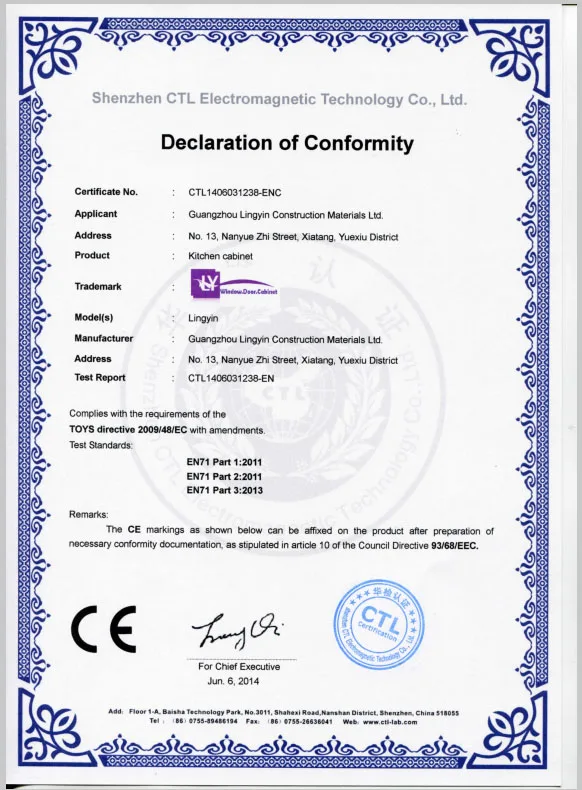
To verify safety performance, these door systems are subjected to a rigorous testing regimen. This includes chemical safety testing, physical and mechanical performance testing, structural safety inspections, and precise appearance and dimensional verification. Aligning with standardized compliance paths, such as the CE certification framework (CTL1406031238-ENC) for interior fittings and RoHS compliance (CTL1406031237-RC) for aluminum configurations, ensures the products meet international safety requirements. These engineered systems are heavily utilized in African landmark building projects, meeting the demands of local distributors, engineering contractors, and real estate developers who require structural materials capable of enduring high temperatures, high humidity, and strong ultraviolet radiation.
Data/Solution Comparison
| Door System / Component | Material & Construction Parameters | Testing & Compliance Standards | Logistics & Delivery Time |
|---|---|---|---|
| Custom Wood & Composite Systems | Multi-layer solid wood, particle board, density board; Thickness: 1.8mm; DTC accessories; Melamine/PET/Baking paint finish | Chemical safety testing, physical and mechanical performance testing, structural safety inspection | 20 to 30 days (depending on craftsmanship) |
| Aluminum Alloy & Window Systems | High-strength aluminum alloy profiles; Corrosion resistance; High temperature and strong weather resistance | Structural safety inspection, appearance and size testing, RoHS compliant (CTL1406031237-RC) | 20 days door and window delivery |
| Logistics & Supply Chain | Owned shipping company "Get Signal"; Direct routes from major China ports to key African hub ports | Customs clearance, compliance guidance, 15%-20% average logistics cost reduction | Door-to-door, end-to-end integrated transportation |
Frequently Asked Questions (FAQ)
What testing certifications are necessary for high-traffic commercial doors?
High-traffic commercial doors require rigorous verification including chemical safety testing, physical and mechanical performance testing, structural safety inspections, and dimensional audits. Compliance with standard frameworks, such as CE and RoHS, verifies that the materials meet international safety and environmental benchmarks.
How do material thickness and core structures affect safety ratings?
Core structural integrity depends on material density and profile thickness. Utilizing a 1.8mm thickness alongside multi-layer solid wood board, density board, or high-strength aluminum alloy profiles ensures the door resists mechanical deformation and withstands high temperatures, maintaining structural safety in commercial complexes.
How can cross-border logistics risks be minimized for large-scale building projects?
Utilizing a direct cross-border sea freight service like Get Signal minimizes transit risks. Direct routes connecting major ports in China (Shenzhen, Guangzhou, Ningbo) with African hubs (Mombasa, Dar es Salaam, Douala, Durban) provide stable space resources, independent capacity scheduling, and comprehensive customs clearance support.
Final Conclusion & Recommendations
High-traffic commercial buildings require door systems that are structurally verified and manufactured using high-strength, weather-resistant materials. Choosing a partner that manages a full-chain localized building materials service ecosystem—including design, manufacturing, custom shipping, and clear after-sales responsibility—mitigates procurement risks. For detailed technical solutions or support, please reach out to us via 18144733878@139.com.
About Us
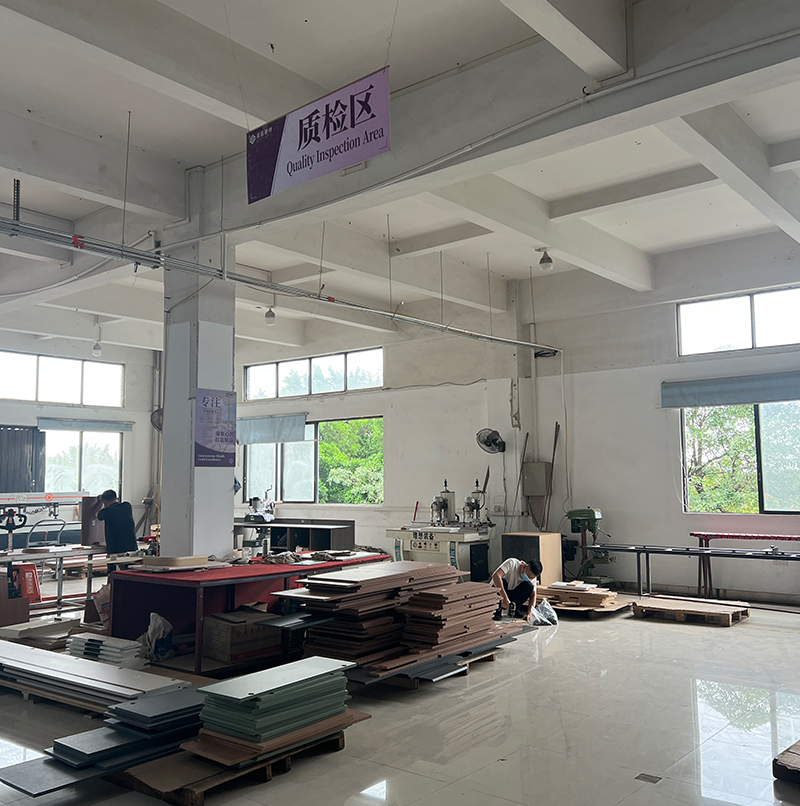
Guangzhou Lingyin Building Materials Co., Ltd. is a leading building materials supplier specializing in the export of system windows, doors, and whole-house customization. Established in 1990, the group operates a 30,000-square-meter modern intelligent production base, employs 186 people (including 32 senior product designers), and achieves annual sales of 200 million RMB. The company has served tens of thousands of clients across African landmark building projects, delivering solutions with stable quality, efficient delivery, and comprehensive technical support. The factory's products are backed by CE certification (CTL1406031238-ENC) and RoHS compliance (CTL1406031237-RC).
Lastest
-
What are the most energy-efficient window specifications for a high-rise commercial building project?
2026-07-27 -
What is the best way to verify if a handrail supplier is a real factory or just a trading company?
2026-07-27 -
Is a 30% deposit and 70% against the bill of lading standard for ordering a custom sunroom?
2026-07-27 -
Can I get a small mockup sample of a glass curtain wall before placing a bulk order?
2026-07-27 -
Are manufacturers willing to customize the size and smart lock cutouts for a commercial door?
2026-07-27
SUBSCRIBE
INQUIRY