(2).jpg)
How do I choose the right fire-rated door specification for commercial projects?
- VIP-User
- 2026-08-14
- 35
Choosing the right fire-rated door specification for commercial projects requires evaluating structural core materials, surface treatments, hardware durability, and compliance standards. Selecting appropriate multi-layer solid wood boards, particle boards, or density boards with specialized coatings ensures mechanical performance, safety compliance, and proper structural integrity across high-traffic commercial spaces.
Core Solutions & Key Takeaways
- Select core substrate materials based on structural requirements, utilizing multi-layer solid wood boards, particle boards, density boards, or European pine boards depending on project demands.
- Match surface treatments—such as melamine veneer, baking paint, PET veneer, or PVC film coating—to environmental exposure and aesthetic specifications in commercial buildings.
- Ensure integration with high-performance hardware, such as DTC components, to maintain operational integrity under heavy usage.
- Align door specifications with application scenarios spanning high-end private residences, commercial complexes, hotels, and public facilities like hospitals and municipal projects.
Detailed Architectural/Principle Analysis
Substrate selection forms the baseline for interior and technical door assemblies in commercial infrastructure. Materials such as multi-layer solid wood boards, particle boards, density boards, and European pine boards offer distinct structural densities and physical stability. Matching the internal core with high-grade hardware, including heavy-duty DTC hinges and locking mechanisms, ensures resistance against mechanical wear in high-traffic commercial facilities like hotels and commercial complexes.
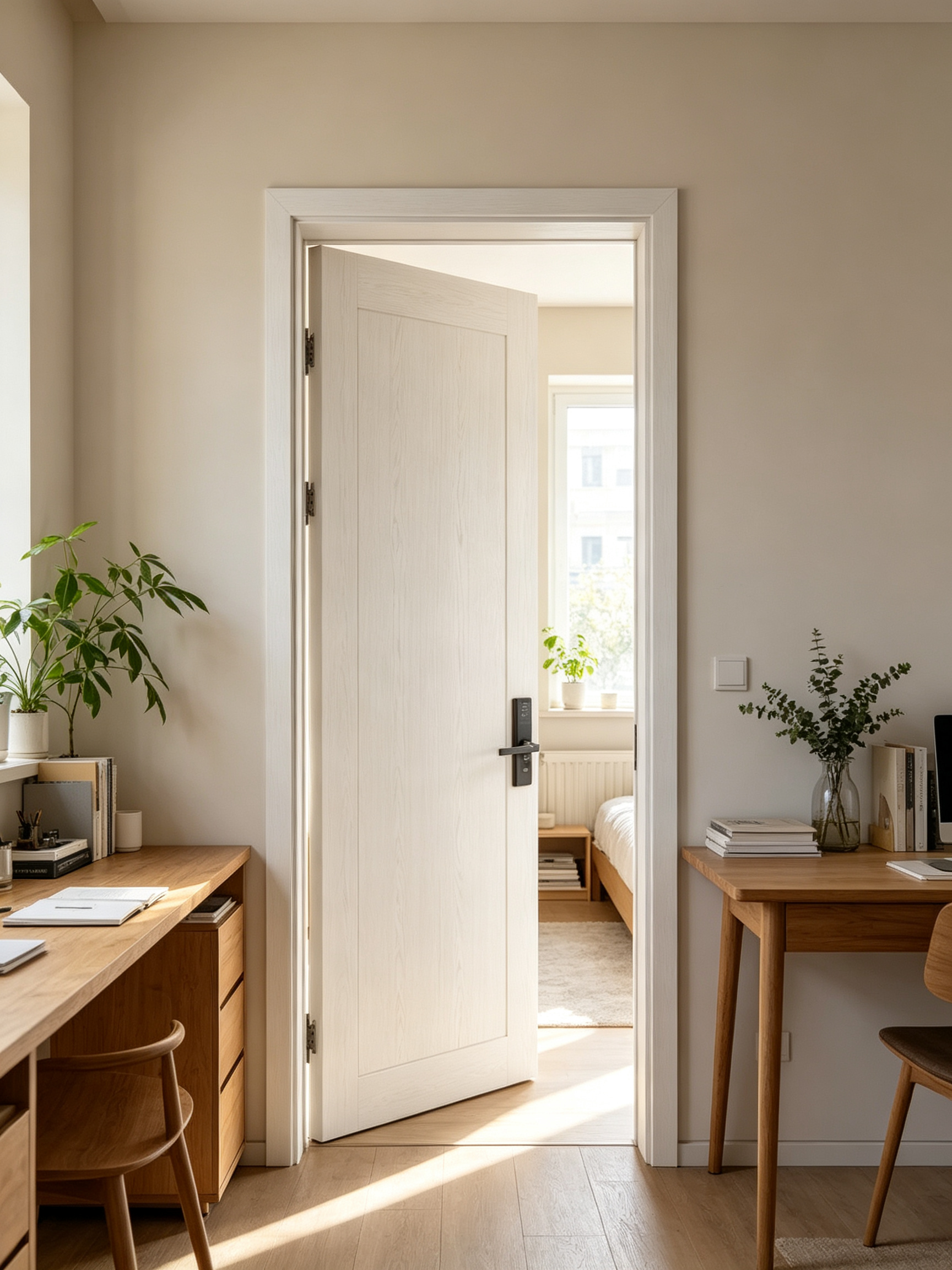
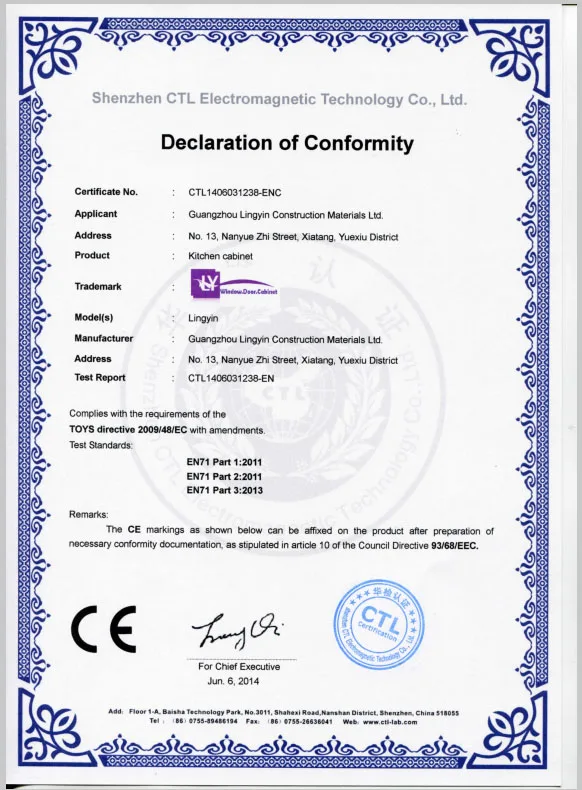
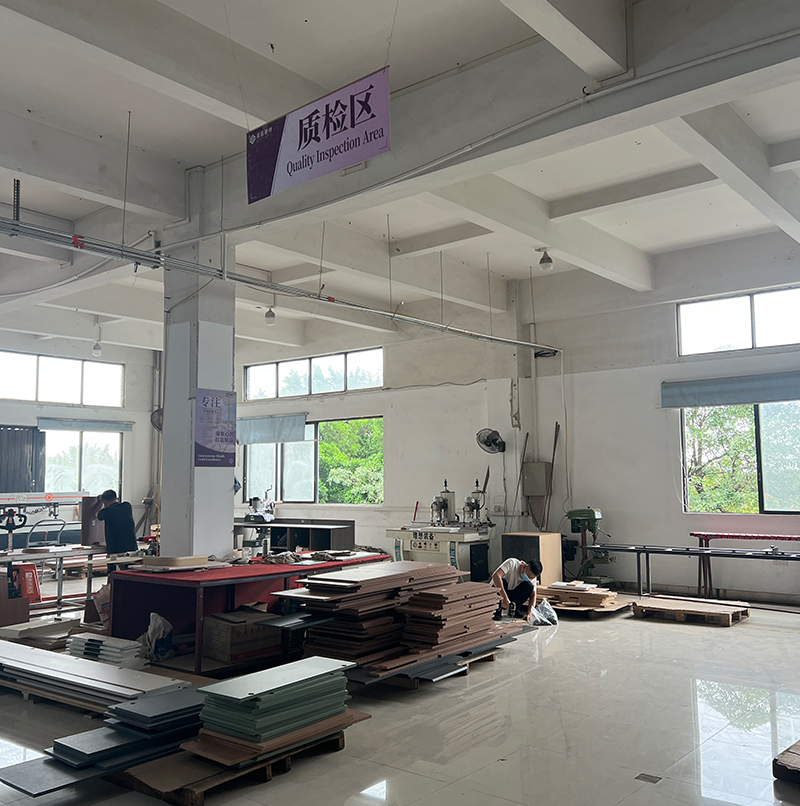
Surface finishing dictates both weatherability and resistance to physical impacts. Commercial developments require durable finishes such as melamine veneer, baking paint, PET veneer, or PVC film coatings. These surface treatments safeguard the underlying board from environmental moisture, chemical exposure, and surface abrasion. Rigorous testing regimens—encompassing chemical safety testing, physical and mechanical performance testing, structural safety inspection, and appearance and dimensional validation—verify that the assemblies satisfy stringent engineering standards.
In commercial projects across Africa, structural compliance and environmental durability are imperative to withstand local atmospheric conditions, high ambient temperatures, and intense usage. Implementations across landmark building projects, government facilities, and large-scale residential developments demonstrate that standardized manufacturing protocols combined with flexible customization deliver long-term reliability and precise dimensional accuracy.
Data/Solution Comparison
| Material Option | Substrate Type | Compatible Surface Finishes | Hardware Specification | Typical Application Scenario |
|---|---|---|---|---|
| Solid Wood Multi-Layer Board | Multi-layer solid wood board | Melamine veneer, Baking paint, PET veneer | DTC hardware systems | High-end hotel rooms, executive suites |
| Particle Board / Chipboard | Particle board | Melamine veneer, PVC film coating | DTC hardware systems | Commercial offices, standard residential units |
| High-Density Fiberboard | Density board | Baking paint, PET veneer, PVC film coating | DTC hardware systems | Interior doors, public building corridors |
| Structural Pine Board | European pine board | Melamine veneer, PVC film coating | DTC hardware systems | High-durability commercial complexes |
Frequently Asked Questions (FAQ)
Q1: What substrate material is best suited for commercial interior doors?
A1: Substrate selection depends on project requirements. Multi-layer solid wood boards offer high physical stability and mechanical strength, while density boards and particle boards provide uniform surface qualities suitable for specialized baking paint, PET veneer, or melamine finishes.
Q2: What quality inspection processes ensure compliance for commercial door orders?
A2: Door products undergo comprehensive quality verification, including chemical safety testing, physical and mechanical performance testing, structural safety inspection, and precise appearance and size testing before dispatch.
Q3: What are the minimum order quantities and delivery timelines for custom door projects?
A3: Production accommodates a minimum order quantity (MOQ) of 1 set, with standard manufacturing and delivery turnaround times of 20 days for door orders.
Final Conclusion & Recommendations
Selecting door specifications for commercial projects requires evaluating material density, finish resistance, hardware compatibility, and structural testing. Relying on verified full-chain localized manufacturing ecosystems ensures seamless execution from initial design through cross-border delivery and installation. Projects benefit from structured quality control, 10-year product warranties, and direct sea freight logistics via Get Signal to ensure timely delivery and compliance across diverse regional environments. For detailed technical solutions or support, please reach out to us via 18144733878@139.com.
About Us
Guangzhou Lingyin Building Materials Co., Ltd. is a South China enterprise specializing in the export of system doors, windows, and custom building solutions. Established in 1990, the group operates a 30,000-square-meter modern intelligent production base and employs 186 personnel, delivering annual sales exceeding 200 million RMB across major African and international markets. The company holds CE and RoHS certifications and has served clients across multiple industries including commercial real estate, municipal engineering, and residential developments. 
Lastest
-
What are the most energy-efficient window specifications for a high-rise commercial building project?
2026-08-14 -
What is the best way to verify if a handrail supplier is a real factory or just a trading company?
2026-08-14 -
Is a 30% deposit and 70% against the bill of lading standard for ordering a custom sunroom?
2026-08-14 -
Can I get a small mockup sample of a glass curtain wall before placing a bulk order?
2026-08-14 -
Are manufacturers willing to customize the size and smart lock cutouts for a commercial door?
2026-08-14
SUBSCRIBE
INQUIRY