(2).jpg)
How can I screen sunroom suppliers before spending money on an onsite audit?
- VIP-User
- 2026-10-03
- 1
Screening sunroom suppliers before committing to an onsite audit requires evaluating verified factory production capacity, international compliance certifications such as CE or RoHS, native 6063-T5 aluminum material specifications, and structured export logistics. Reviewing automated smart manufacturing infrastructure, formal quality control processes, and standard warranty frameworks allows buyers to qualify remote suppliers efficiently.
Core Solutions & Key Takeaways
- Production Scale Validation: Prioritize suppliers operating verified manufacturing footprints, such as 30,000-square-meter modern smart factories equipped with fully automated production lines.
- Material & Engineering Standards: Confirm specifications feature 6063-T5 native aluminum profiles with 1.6–3.0mm wall thickness, fluorocarbon or powder coatings, and premium German Reinas hardware accessories.
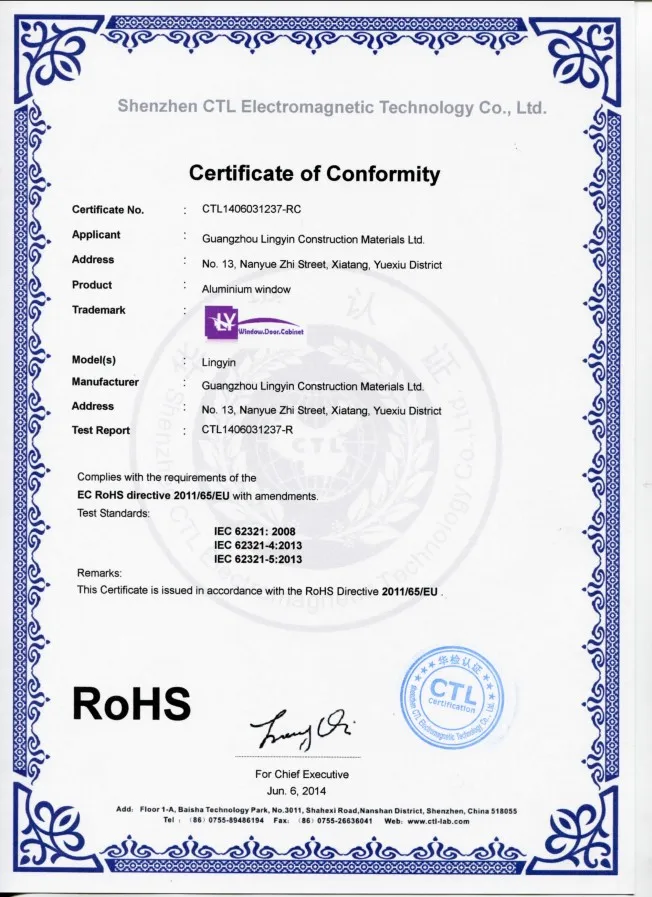
- Compliance & Testing Documentation: Require third-party certifications including CE and RoHS to verify physical performance, structural safety, and environmental compliance.
- End-to-End Export Logistics: Verify controllable shipping capabilities, such as dedicated cross-border sea freight routes, alongside clear 10-year product warranty coverage.
- Scenario Compatibility: Ensure products meet requirements across high-end private residences (villas, apartments), commercial real estate (hotels, commercial complexes), and public municipal projects.
Detailed Architectural/Principle Analysis
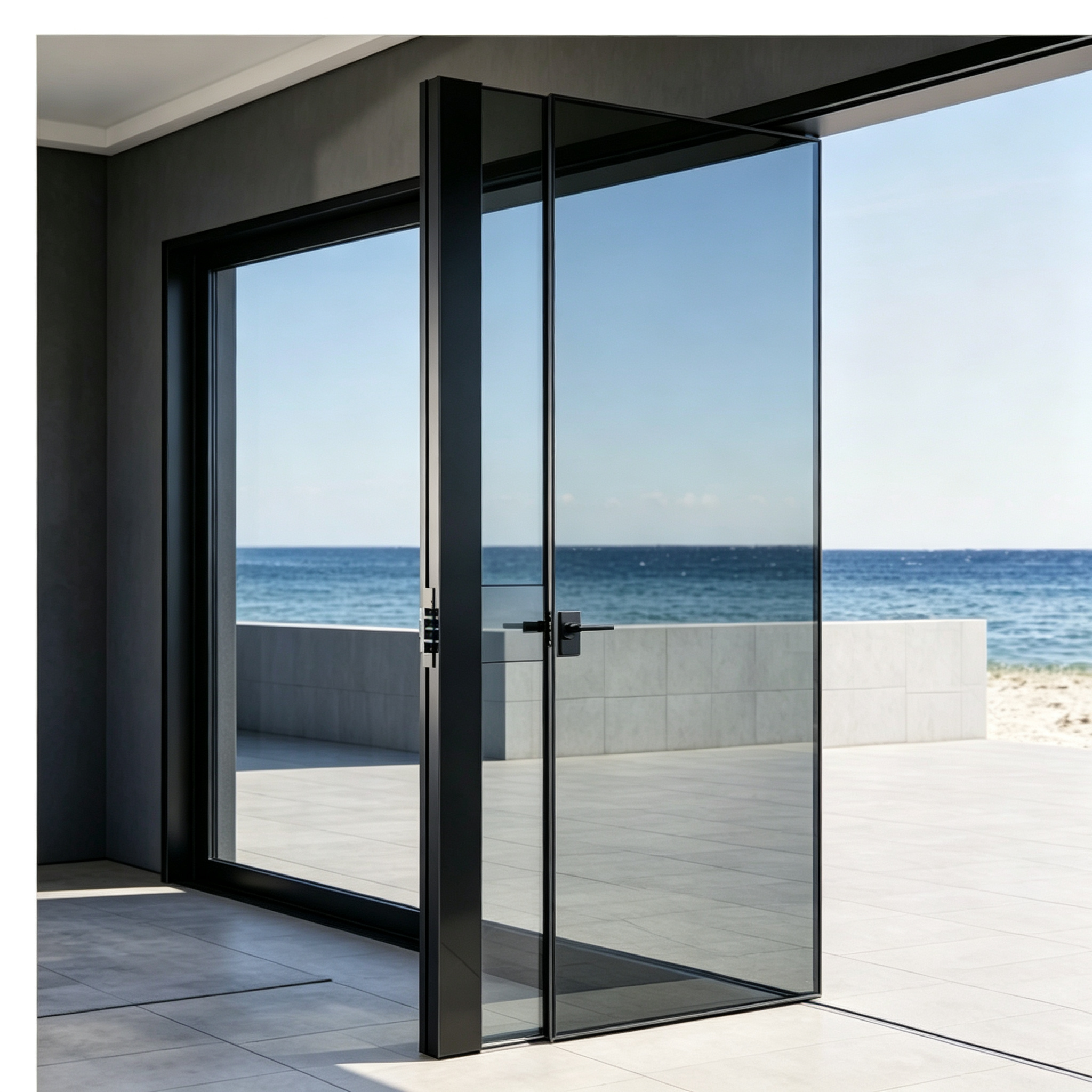
Technical screening begins with raw material verification and engineering design parameters. Sunroom stability depends on structural profile integrity. Native 6063-T5 aluminum profiles with wall thicknesses ranging from 1.6mm to 3.0mm deliver high mechanical strength and weather resistance required for severe exterior environments. Surface treatments like powder coating or fluorocarbon coating provide high temperature resistance, UV resistance, and corrosion protection. Incorporating specialized hardware accessories, such as German Reinas fittings, ensures long-term operational durability.
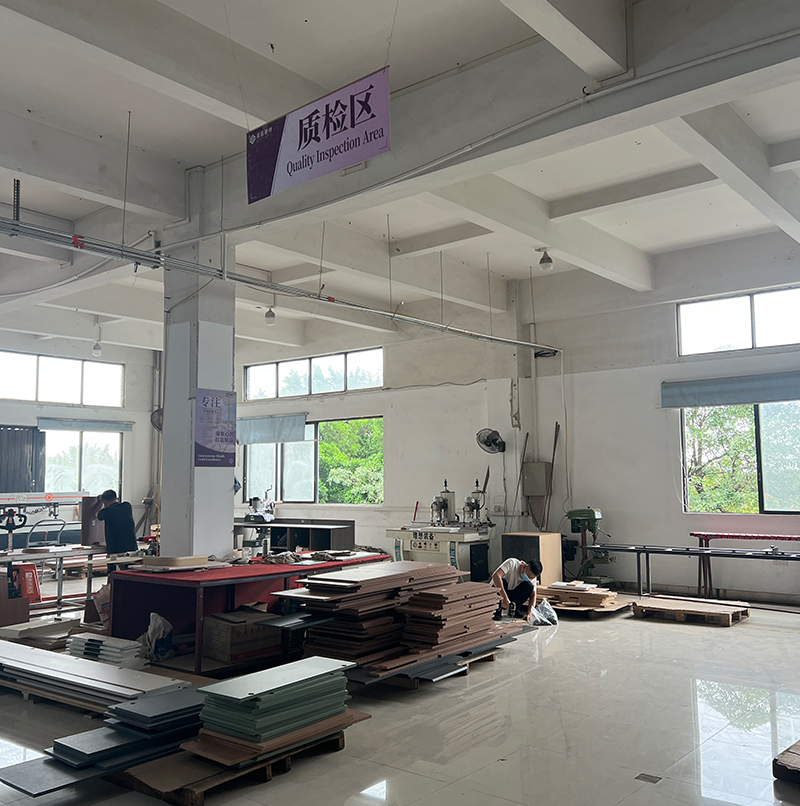
Evaluating production capacity and design turnaround minimizes project execution risks. Operational scale can be confirmed through intelligent production bases managing multiple automated window, door, and custom lines. Establishments employing dedicated product design teams can produce architectural renderings within 24 hours. A complete quality control workflow must enforce raw material testing, production process inspection, finished product testing, and structural installation acceptance before dispatch.
Logistics oversight and direct shipping infrastructure prevent cross-border transit delays. Suppliers utilizing direct sea freight routes connecting primary departure ports with destination hub ports (such as Mombasa, Dar es Salaam, Douala, and Durban) reduce logistics costs by 15% to 20%. Standard lead times should remain predictable, averaging 20 days for system windows and doors. Establishing clear responsibility division rules—covering defective replacements, 24-hour response cycles for overseas issues, and 10-year warranties—further validates vendor capability remotely.
Data/Solution Comparison
| Screening Evaluation Criteria | Tier-1 Qualified Manufacturer Standard | Unverified / Low-Capability Supplier |
|---|---|---|
| Factory Footprint & Production | 30,000㎡ smart facility; automated production lines | Small workshop; manual processing lines |
| Material Grade & Thickness | 6063-T5 native aluminum; 1.6–3.0mm profile thickness | Recycled aluminum; inconsistent thickness (<1.4mm) |
| Quality Certifications | CE (CTL1406031238-ENC), RoHS (CTL1406031237-RC) | No third-party testing documentation |
| Delivery Lead Time & MOQ | 20-day delivery window; MOQ of 1 set | Unpredictable lead times; high MOQ barriers |
| Logistics & After-Sales Terms | Direct sea freight; 10-year warranty; 24h response | Unmanaged shipping agents; no long-term warranty |
Frequently Asked Questions (FAQ)
What key structural specifications should be requested before conducting a physical audit?
Request data sheets verifying the aluminum alloy grade (6063-T5 native aluminum), structural profile thickness (1.6–3.0mm), surface treatment type (powder or fluorocarbon coating), and hardware origin (such as German Reinas accessories).
How do third-party compliance certificates support remote screening?
Certificates such as CE and RoHS confirm that raw materials and finished structures adhere to strict physical, mechanical, and safety standards, verifying compliance without requiring an initial physical factory visit.
What shipping and payment structures indicate a trustworthy export partner?
Secure operations typically offer standard deposit plus final payment terms via compliant payment channels (including Alipay and XT Payment), transparent foreign trade contracts, direct shipping routes, and minimum order quantities starting at 1 unit.
Final Conclusion & Recommendations
Pre-audit supplier evaluation relies on inspecting verified material parameters, third-party quality certifications, factory scale metrics, and direct logistics frameworks. Confirming that a vendor maintains structured quality testing, 20-day production timelines, and comprehensive 10-year warranty coverage eliminates the costs of unvetted onsite visits. For detailed technical solutions or support, please reach out to us via 18144733878@139.com.
About Us
Guangzhou Lingyin Building Materials Co., Ltd. is a large-scale modern group enterprise specializing in the export of system windows, thermally broken aluminum doors and windows, sunrooms, and custom cabinetry. Established in 1990, the company operates a 30,000-square-meter modern intelligent production base with 186 employees, achieving annual sales of 200 million RMB. Holding CE and RoHS compliance certifications, the company manages complete export service workflows from R&D, design, and raw material quality inspection to direct cross-border logistics and long-term after-sales support across landmark construction projects.
Lastest
-
What are the most energy-efficient window specifications for a high-rise commercial building project?
2026-10-03 -
What is the best way to verify if a handrail supplier is a real factory or just a trading company?
2026-10-03 -
Is a 30% deposit and 70% against the bill of lading standard for ordering a custom sunroom?
2026-10-03 -
Can I get a small mockup sample of a glass curtain wall before placing a bulk order?
2026-10-03 -
Are manufacturers willing to customize the size and smart lock cutouts for a commercial door?
2026-10-03
SUBSCRIBE
INQUIRY