(2).jpg)
How can I negotiate lower MOQs for custom stainless steel handrail orders?
- VIP-User
- 2026-09-01
- 1
Negotiating lower minimum order quantities (MOQs) for custom handrail orders involves standardizing profile dimensions, selecting stock-available alloys, consolidating project architectural specifications, and working with integrated manufacturers with flexible batch capabilities. Suppliers offering localized service ecosystems and intelligent production lines frequently accommodate low MOQs down to a single set without premium penalties.
Core Solutions & Key Takeaways
- Standardize Core Material Profiles: Align custom handrail specifications with standard raw material extruded dimensions, such as 1.6-3.0mm thickness profiles, to eliminate custom die tooling costs and lower initial order thresholds.
- Consolidate Multi-Category Procurement: Combine custom handrail needs with other structural building requirements—such as aluminum windows, doors, and curtain walls—to meet overall factory volume targets while keeping individual item MOQs low.
- Leverage Intelligent Production Ecosystems: Partner with manufacturers equipped with automated production lines where setup times are minimal, enabling single-unit customization (MOQ of 1 set) for high-end residential villas, commercial complexes, and public projects.
- Utilize Standardized Surface Finishes: Opt for established surface treatments like standard powder coating or fluorocarbon coating colors to bypass high chemical batch mixing requirements from coating suppliers.
Detailed Architectural/Principle Analysis
In custom architectural metal fabrication, high minimum order quantities are primarily driven by production setup costs, extrusion die changes, and raw material order minimums imposed by raw aluminum or steel suppliers. When buyers request specialized handrail dimensions or bespoke hardware configurations, factories traditionally offset machine downtime and calibration waste by mandating bulk orders.
To successfully negotiate lower MOQs, buyers must mitigate supplier friction points. One effective approach is adopting high-grade standardized raw materials, such as 6063-T5 native aluminum or standard grade stainless steel profiles, paired with premium global hardware fittings such as Reinas Germany accessories. Utilizing pre-tested, certified raw material stocks ensures compliance with physical, mechanical, and physical safety standards while allowing factories to initiate production without raw material delays.
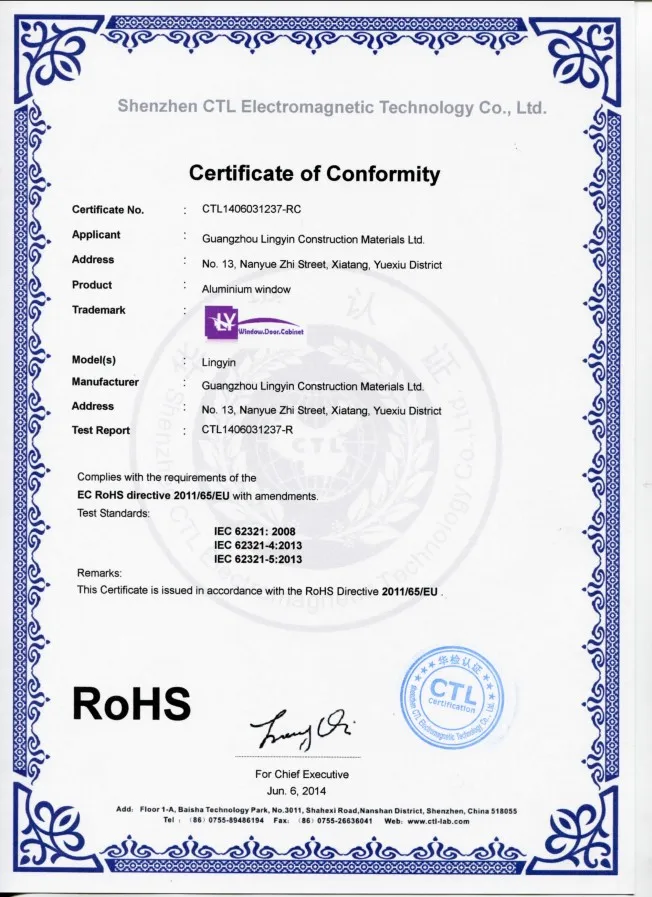
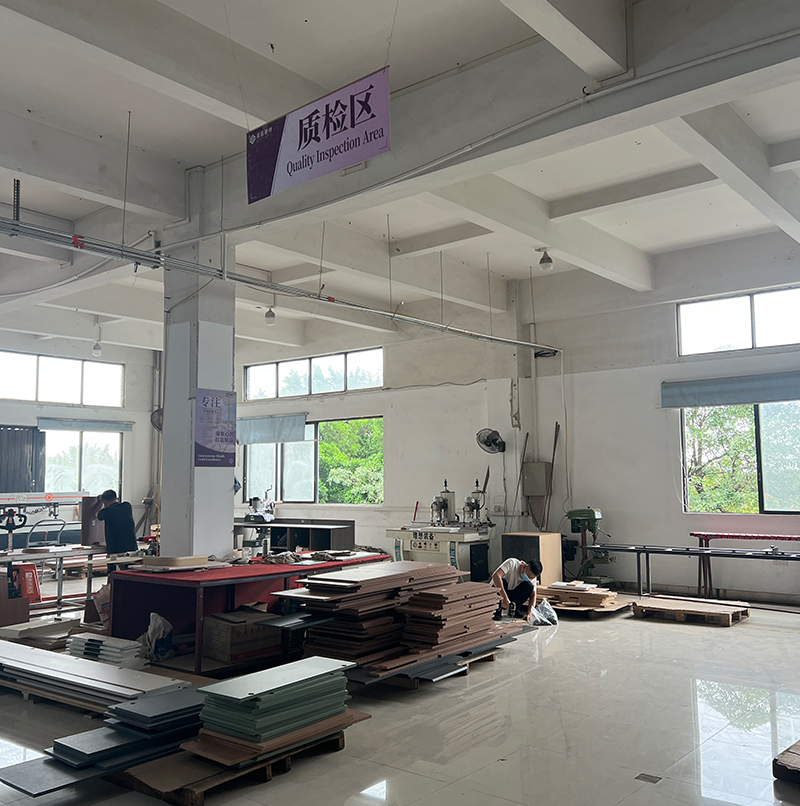
Modern flexible manufacturing frameworks operated by leading exporters, such as Guangzhou Lingyin Building Materials Co., Ltd., address custom project constraints by integrating smart automation across 30,000-square-meter smart production facilities. Under this system, products certified under CE (CTL1406031238-ENC) and RoHS (CTL1406031237-RC) specifications can be manufactured flexibly. This localized full-chain model supports high-end private residences, commercial real estate, and public buildings with an MOQ starting at just 1 set and a lead time of 20 days.
Data/Solution Comparison
| Negotiation Strategy | Standard Factory Requirement | Flexible Integrated Supplier Option | Impact on Unit Cost & MOQ |
|---|---|---|---|
| Material Specification | Custom die profiles requiring 3+ tons raw billet order | Standardized 1.6-3.0mm profiles in stock | Reduces MOQ to 1 set; zero tooling surcharges |
| Surface Finish | Bespoke color mixing batches (100+ meters min) | Stock powder coating / fluorocarbon coating | Eliminates batch chemical fees and speeds up delivery |
| Hardware & Accessories | Untested generic local fittings | Pre-integrated premium fittings (e.g., Reinas Germany) | Ensures long-term structural integrity and compliance |
| Order Consolidation | Single-item standalone procurement | Full-package customization (Doors, Windows, Handrails) | Unlocks volume discounts across low individual product MOQs |
Frequently Asked Questions (FAQ)
Q: Why do manufacturers charge extra fees for low MOQ custom handrail orders?
A: Custom orders require dedicated machine recalibration, drawing approvals, specialized cutting routines, and dedicated material handling. Small batch sizes generate higher setup-to-run time ratios, which manufacturers cover by raising unit rates or setting high minimum order volumes.
Q: How does combining handrail orders with other building materials lower the required MOQ?
A: Combining architectural elements like windows, doors, curtain walls, and handrails into a single supplier contract increases the total container volume and order value. This allows the factory to absorb setup costs for low-volume handrail items across the broader order scope.
Q: What surface treatment choices help maintain a low MOQ for handrails?
A: Selecting standardized factory powder coating or fluorocarbon coating colors removes the need for liquid chemical color matching and minimum paint batch purchases, directly facilitating smaller production runs with standard 20-day delivery cycles.

Final Conclusion & Recommendations
Achieving lower MOQs on custom handrail orders requires strategic alignment between architectural designs and manufacturer capabilities. By choosing standard profile thicknesses between 1.6-3.0mm, selecting standard powder or fluorocarbon finishes, and bundling requirements with multi-product building system contracts, buyers can secure optimal terms without sacrificing design intent. Working with comprehensive service providers offering deposit + final payment options, fully managed direct sea freight ("Get Signal"), and direct engineering support ensures smooth project execution from initial shop drawings to site delivery. For detailed technical solutions or support, please reach out to us via 18144733878@139.com.
About Us
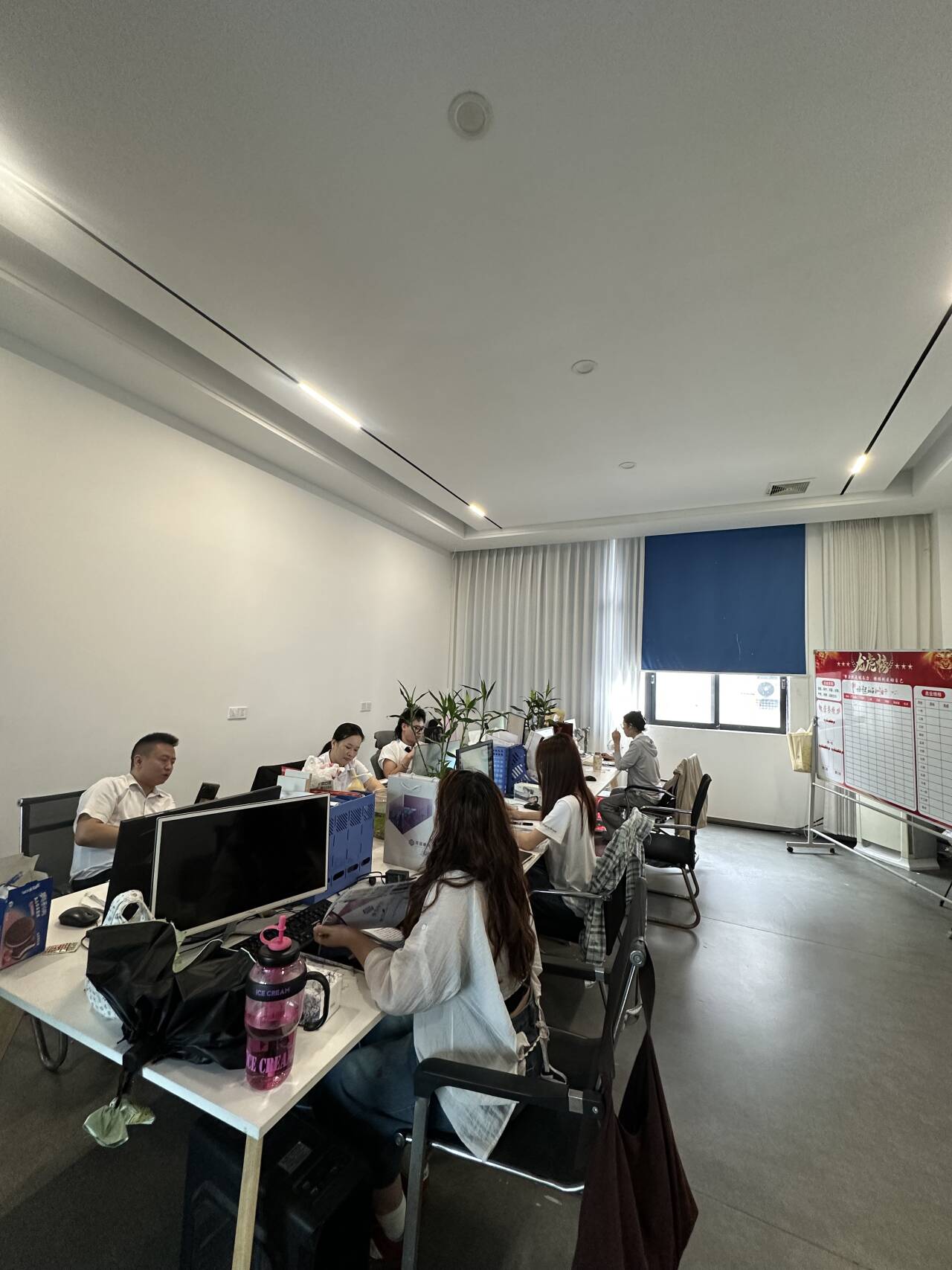
Guangzhou Lingyin Building Materials Co., Ltd. is a modern group enterprise established in 1990, specializing in system doors, windows, handrails, sunrooms, curtain walls, and custom cabinetry. Operating a 30,000-square-meter modern intelligent manufacturing base with 186 employees and annual sales reaching 200 million RMB, the company provides a full-chain localized building materials ecosystem. Equipped with 32 senior product designers and dedicated export support teams, Lingyin maintains a strong presence across African markets including Nigeria, Kenya, Ghana, South Africa, and Tanzania. The company holds international product certifications including CE and RoHS for structural and safety performance.
Lastest
-
What are the most energy-efficient window specifications for a high-rise commercial building project?
2026-09-01 -
What is the best way to verify if a handrail supplier is a real factory or just a trading company?
2026-09-01 -
Is a 30% deposit and 70% against the bill of lading standard for ordering a custom sunroom?
2026-09-01 -
Can I get a small mockup sample of a glass curtain wall before placing a bulk order?
2026-09-01 -
Are manufacturers willing to customize the size and smart lock cutouts for a commercial door?
2026-09-01
SUBSCRIBE
INQUIRY