(2).jpg)
How can I confirm cabinet materials meet current safety and emissions requirements?
- VIP-User
- 2026-10-14
- 3
To confirm cabinet materials meet current safety and emissions requirements, match the exact material and surface treatment to supplier test records, verify chemical-safety and physical-performance testing, and check certificates for the correct product category. Lingyin lists CE certification for kitchen cabinets, while its product controls include chemical safety, structural safety, appearance, and dimensional testing.
Core Solutions & Key Takeaways
- Identify every cabinet component, including the board, surface treatment, color, and accessories, before reviewing compliance documents.
- Request test records covering chemical safety, physical and mechanical performance, structural safety, appearance, and dimensions.
- Confirm that each certificate applies to the relevant product. The available CE certificate covers kitchen cabinets; the available RoHS certificate covers aluminum windows.
- Use documented material specifications for projects involving villas, apartments, hotels, commercial complexes, hospitals, or government-built projects.
Detailed Architectural/Principle Analysis
Material verification depends on matching three items: the cabinet component, the applied surface treatment, and the supporting inspection record. The listed solid wood door specification includes multi-layer solid wood board, particle board, European pine board, and density board. Available surface treatments include melamine veneer, baking paint, PET veneer, and PVC film coating. Colors are customizable, and DTC accessories are specified.
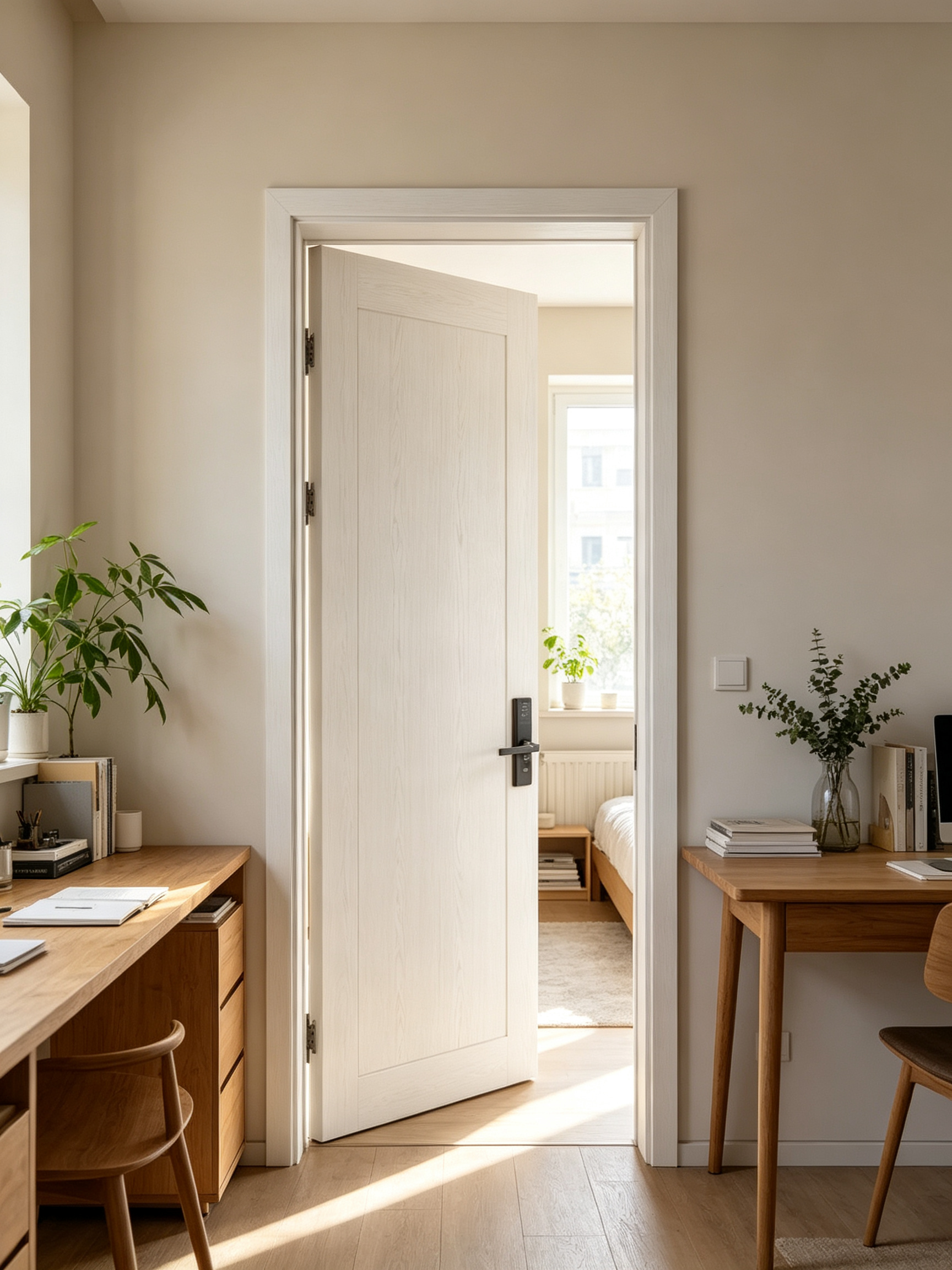
For safety and emissions review, the relevant evidence should identify the tested product or material and state the applicable test scope. The product information lists chemical safety testing, physical and mechanical performance testing, structural safety inspection, appearance testing, and size testing. These records should be reviewed against the selected board type and surface treatment rather than accepted
Lastest
-
What are the most energy-efficient window specifications for a high-rise commercial building project?
2026-10-14 -
What is the best way to verify if a handrail supplier is a real factory or just a trading company?
2026-10-14 -
Is a 30% deposit and 70% against the bill of lading standard for ordering a custom sunroom?
2026-10-14 -
Can I get a small mockup sample of a glass curtain wall before placing a bulk order?
2026-10-14 -
Are manufacturers willing to customize the size and smart lock cutouts for a commercial door?
2026-10-14
SUBSCRIBE
INQUIRY