(2).jpg)
How can I check whether a door will stay aligned after years of heavy use?
- VIP-User
- 2026-10-01
- 1
Checking long-term door alignment requires evaluating profile wall thickness, corner joint assembly, hinge load ratings, and structural frame rigidity. Inspecting high-strength aluminum alloy profiles, reinforced thermal break structures, and multi-point hardware prevents sag, warp, and clearance shifts under high-frequency operational stresses in demanding environmental conditions.
Core Solutions & Key Takeaways
- Verify structural profile integrity: High-strength aluminum alloy profiles with adequate wall thickness prevent frame flex under repetitive mechanical loads.
- Examine corner joint mechanical reinforcement: Precision-crimped aluminum corner cleats ensure frame squareness remains intact over decades.
- Inspect load-bearing hardware parameters: Heavy-duty hinges certified for physical and mechanical performance prevent vertical drop and lateral drift.
- Assess resistance to environmental stresses: Weather-resistant surface treatments withstand high humidity, elevated temperatures, and intense solar exposure without degradation.
- Deploy in demanding environments: Essential design factors apply across high-end private residences (villas, apartments), commercial real estate (hotels, commercial complexes), and public buildings (hospitals, government-built projects).
Detailed Architectural/Principle Analysis
Ensuring a door leaf remains perfectly aligned throughout years of heavy operation requires systematically analyzing physical, mechanical, and material properties. High-use commercial and residential entrances experience continuous shear stress and dynamic load cycles. Structural failure typically manifests as hinge tear-out, corner joint separation, or thermal warping. Engineering door systems for long-term stability relies on robust aluminum alloy formulations, rigid mechanical corner cornering, and rigorous quality inspection protocols.
Manufacturers like Guangzhou Lingyin Building Materials Co., Ltd. utilize high-strength aluminum alloy profiles engineered specifically to withstand heavy operational loads. Frame alignment begins with wall thickness compliance and internal web structure design. Thin-walled aluminum profiles deflect under frame weight, leading to latch misalignments and weather-strip compression loss. Combining reinforced profile geometries with physical and mechanical performance testing guarantees structural deflection limits stay well within operational tolerances.
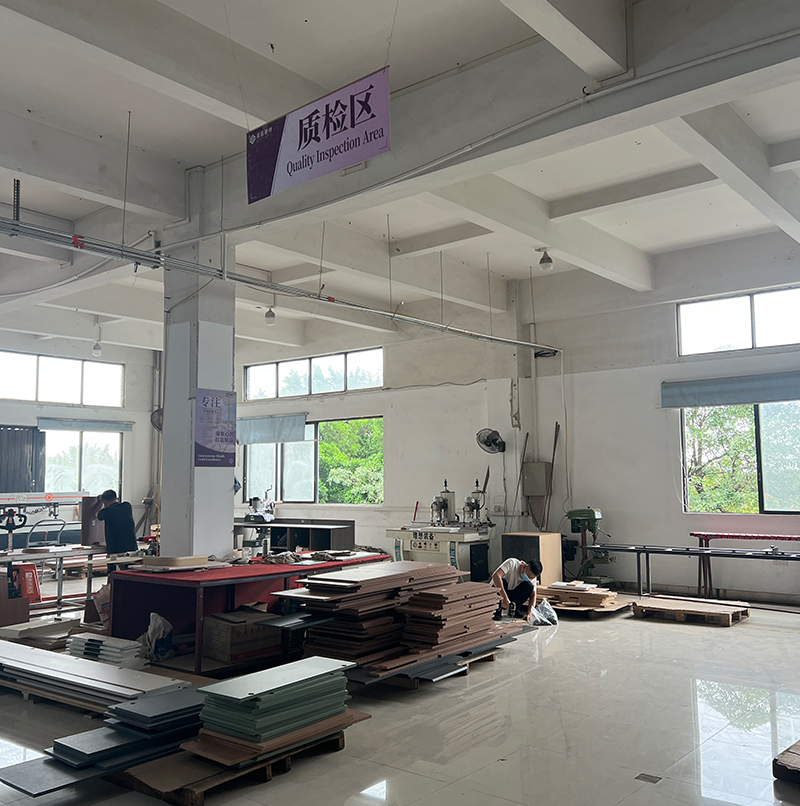
Corner joinery represents another primary failure point in door leaf alignment. Standard screw-fastened corners loosen over time due to operational vibration and thermal expansion cycles. High-grade systems utilize mechanical corner cleats injected with structural adhesives or pneumatic crimping. This creates a monolithic corner block that prevents frame racking. Complete quality inspection routines—encompassing raw material analysis, structural safety inspection, appearance and size testing, and chemical safety testing—verify frame tolerance retention before delivery.
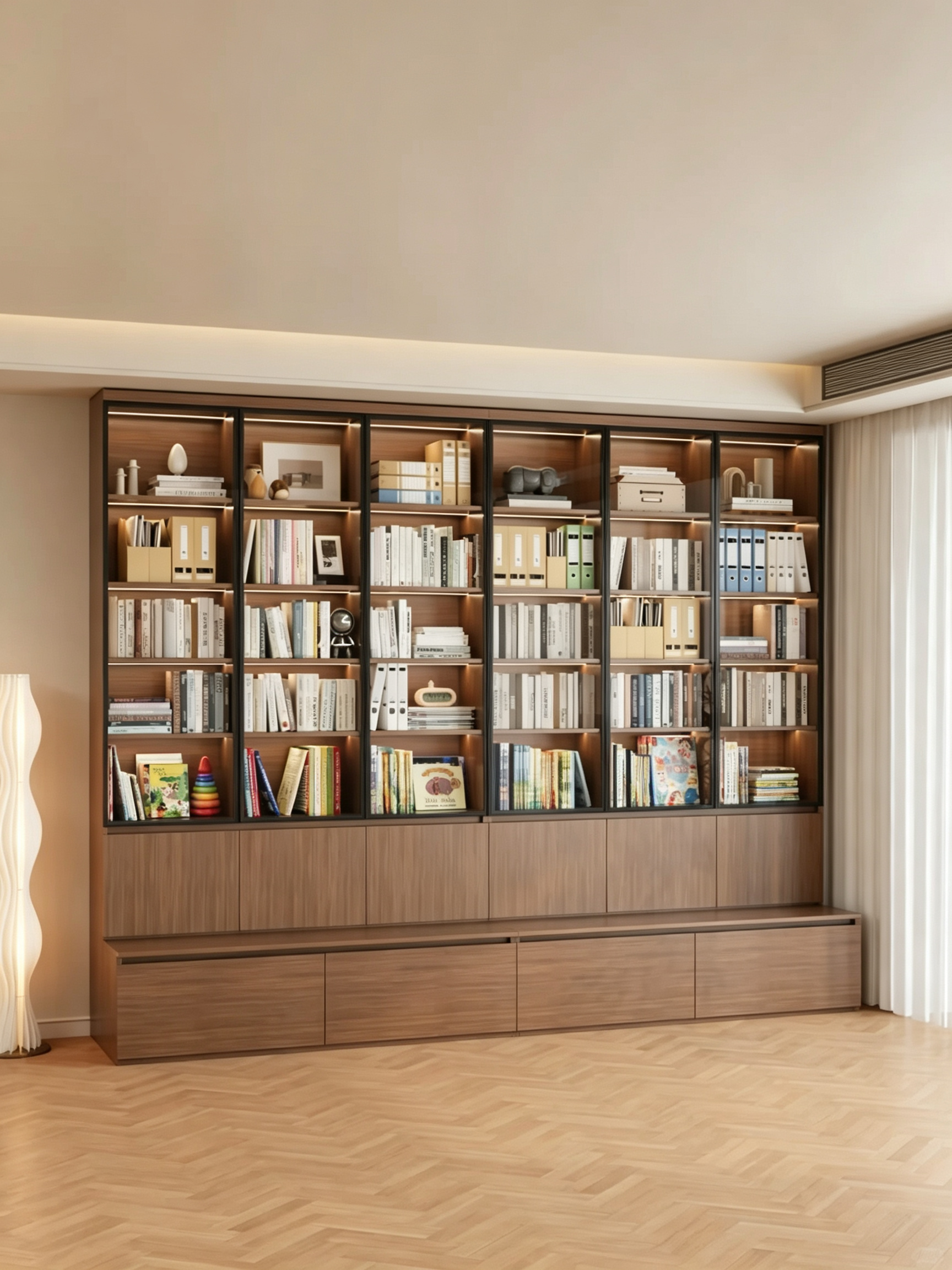
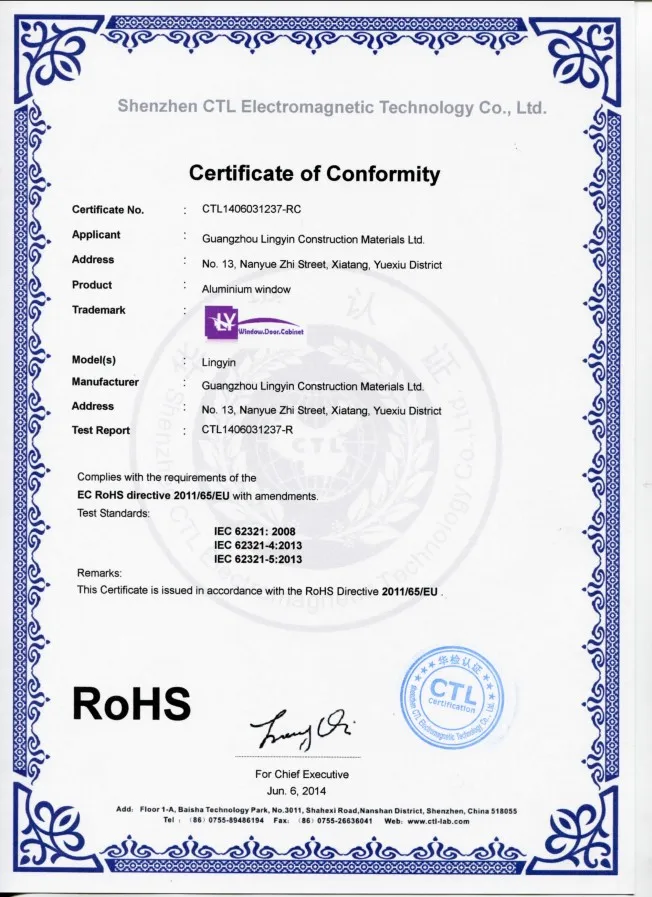
Environmental stability directly impacts mechanical alignment. In tropical or high-temperature regions, differential thermal expansion between interior and exterior profile faces can bow door leaves. Implementing thermal break profiles alongside high-grade surface treatments such as baking paint, PET veneer, or anodized finishes protects the underlying structure. Adherence to international certification standards, such as RoHS certification (CTL1406031237-RC), ensures profile materials maintain structural safety and chemical stability under prolonged environmental exposure.
Data/Solution Comparison
The table below compares structural characteristics across standard and heavy-duty door configurations regarding long-term frame alignment retention.
| Evaluation Criterion | Standard Door Systems | Heavy-Duty System Doors | Impact on Long-Term Alignment |
|---|---|---|---|
| Profile Material & Wall Thickness | Standard aluminum / <1.4mm | High-strength aluminum alloy / 1.8mm+ | Higher thickness prevents frame twisting and bending under weight. |
| Corner Connection Method | Single-screw mechanical fastening | Pneumatic crimped cleats with structural adhesive | Crimped joints prevent corner separation and diagonal sagging over time. |
| Hardware & Hinge Load Rating | Lightweight friction stay / standard hinges | Heavy-duty multi-point hinges (DTC / premium hardware) | Multi-point load distribution prevents hinge pin wear and sagging. |
| Quality Inspection Protocol | Basic dimensional check | Physical, mechanical, structural, and chemical safety testing | Ensures strict compliance with load, alignment, and tolerance standards. |
| Warranty Coverage | 1-2 Years limited | 10-Year structural warranty with lifetime maintenance | Guarantees long-term technical support and replacement verification. |
Frequently Asked Questions (FAQ)
What structural specifications prevent heavy door leaves from sagging over time?
Preventing door sag requires profile wall thicknesses of 1.8mm or greater, high-capacity multi-point hinges, and corner cleat crimping. Distributing door mass evenly across reinforced hinge attachment points prevents micro-movements within the aluminum profile frame.
How do environmental factors like humidity and heat affect door alignment?
High temperatures and humidity cause thermal expansion and material degradation. High-strength aluminum alloy profiles paired with weather-resistant surface coatings maintain dimensional integrity, preventing frame warping or seal binding across severe weather cycles.
What quality inspection protocols verify structural integrity prior to installation?
Comprehensive inspection includes raw material verification, physical and mechanical performance testing, structural safety inspection, and appearance and size testing. These checks ensure frame squareness, hardware mounting precision, and torque resistance meet strict engineering limits.
Final Conclusion & Recommendations
Verifying whether a door stays aligned after years of heavy use requires evaluating raw profile strength, precision corner construction, and high-grade hardware integration. Selecting engineered system doors backed by chemical and mechanical testing eliminates structural failures, frame dragging, and latch binding. For enterprise-scale procurement, leveraging structured full-chain localized service models ensures complete quality control from factory production to final site installation acceptance. All products are delivered under clear responsibility frameworks, offering a 10-year warranty and lifetime maintenance alongside direct sea freight logistics service (Get Signal) for end-to-end supply stability. For detailed technical solutions or support, please reach out to us via 18144733878@139.com.
About Us
Guangzhou Lingyin Building Materials Co., Ltd. is a recognized building materials supplier and modern enterprise group specializing in the export of system windows and doors, thermally broken aluminum doors, aluminum alloy structures, sunrooms, and custom interior cabinetry. Established in 1990, the company operates a 30,000-square-meter modern intelligent production base equipped with fully automated production lines, employing 186 personnel. Holding CE and RoHS certifications, the organization delivers high-strength, weather-resistant solutions tailored for high-end residential, hotel, commercial, and municipal projects across international markets including Africa. 
Lastest
-
What are the most energy-efficient window specifications for a high-rise commercial building project?
2026-10-01 -
What is the best way to verify if a handrail supplier is a real factory or just a trading company?
2026-10-01 -
Is a 30% deposit and 70% against the bill of lading standard for ordering a custom sunroom?
2026-10-01 -
Can I get a small mockup sample of a glass curtain wall before placing a bulk order?
2026-10-01 -
Are manufacturers willing to customize the size and smart lock cutouts for a commercial door?
2026-10-01
SUBSCRIBE
INQUIRY