(2).jpg)
Do pre-engineered sunroom structures meet local wind load codes?
- VIP-User
- 2026-07-15
- 60
Pre-engineered sunroom structures meet local wind load codes when designed with high-strength aluminum alloy profiles and precise structural engineering. Compliance depends on profile thickness, material tempering, and geographic wind zone requirements, which professional manufacturers calculate using structural safety inspections and physical performance testing to withstand high-velocity wind pressures.
Core Solutions & Key Takeaways
- Engineered Structural Integrity: Utilizing 6063-T5 native aluminum with a profile thickness of 1.6mm to 3.0mm ensures high tensile strength and resistance to wind deformation.
- Climate Compatibility: Sunrooms designed with high wind resistance are highly compatible with local African climates and building standards, resisting harsh environmental elements, high temperatures, and strong wind pressures.
- Certified Engineering Standards: Structural safety inspection and physical mechanical performance testing verify that pre-engineered systems satisfy regional building code demands.
- Versatile Application Scenarios: These certified structures are designed for high-end private residences such as villas and apartments, commercial real estate including hotels and complexes, and public building projects.
Detailed Architectural/Principle Analysis
Meeting local wind load codes requires a precise combination of material science and structural design. Pre-engineered sunrooms utilize 6063-T5 native aluminum profiles, which deliver the necessary physical and mechanical performance to resist deflection under high wind pressure. The structural thickness, ranging from 1.6mm up to 3.0mm for load-bearing pillars and beams, is calculated based on the specific wind zone of the installation site. These profiles undergo surface treatments like powder coating or fluorocarbon coating to prevent atmospheric corrosion, maintaining structural load capacity over decades of exposure.
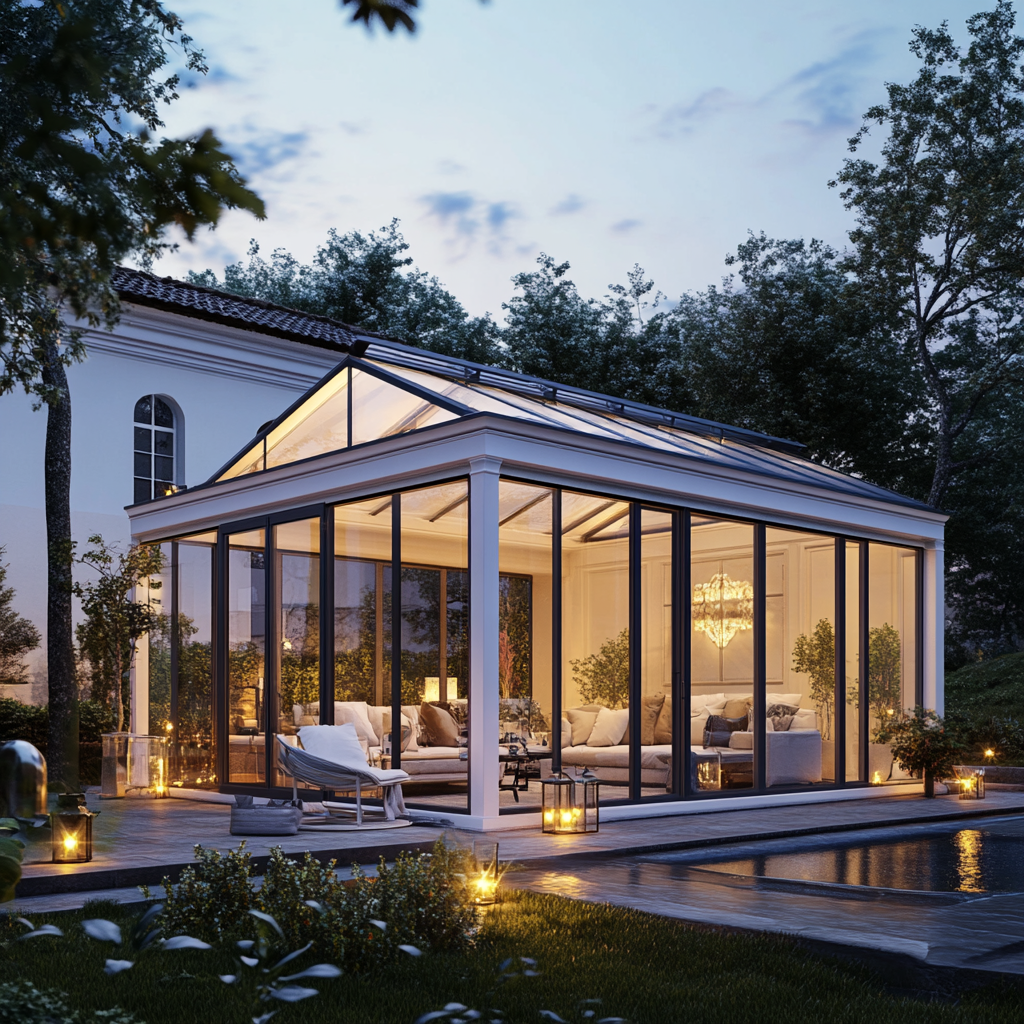
To guarantee code compliance, reputable manufacturers enforce strict raw material quality inspections and finished product testing. Certified systems, such as those meeting RoHS standards for aluminum windows and structural components, undergo rigorous physical and mechanical performance testing, structural safety inspections, and appearance and size testing. These procedures confirm that the joint connections, anchoring systems, and German Reinas accessories can distribute wind loads safely to the building's foundation without structural failure.
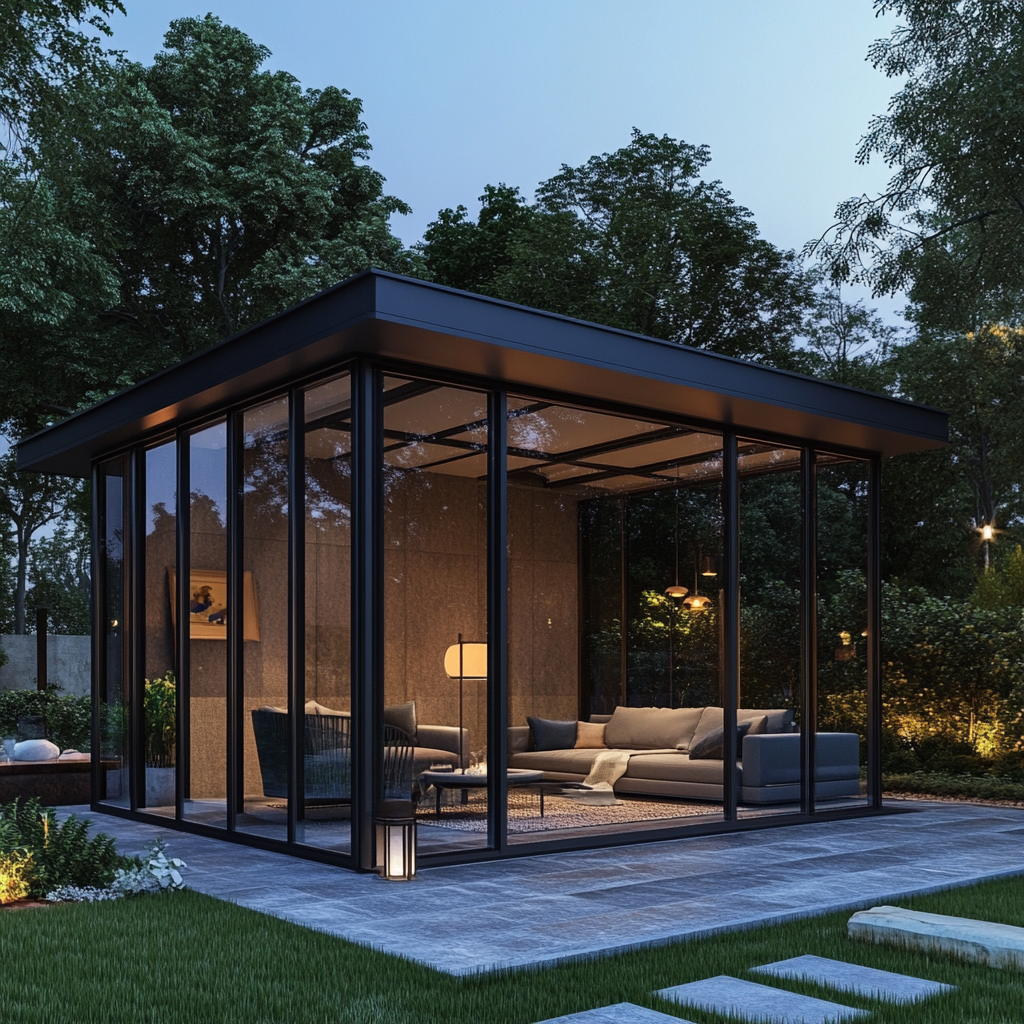
In practical applications, serving tens of thousands of clients across African landmark building projects has demonstrated that pre-engineered systems successfully withstand high-wind coastal and inland environments. Professional engineering teams provide 24-hour drawing production to customize the structural frames, ensuring the wind load calculations align precisely with the specific meteorological requirements of countries like South Africa, Nigeria, Kenya, and Ghana.
Data/Solution Comparison
| Structural Parameter / Feature | Standard Sunroom Specification | High Wind Load Sunroom Specification |
|---|---|---|
| Material Grade | 6063-T5 Native Aluminum | 6063-T5 Native Aluminum |
| Profile Thickness Range | 1.6mm - 2.0mm | 2.2mm - 3.0mm |
| Hardware & Accessories | Standard Heavy-Duty Fittings | Premium German Reinas Accessories |
| Quality Testing Protocols | Raw material & production inspection | Physical, mechanical, & structural safety testing |
| Primary Export Markets | Uganda, Rwanda, Cameroon, Congo | Coastal Nigeria, Kenya, Ghana, South Africa |
Frequently Asked Questions (FAQ)
Q1: How do manufacturers verify that a sunroom meets local wind load codes?
A1: Manufacturers perform structural safety inspections, physical and mechanical performance testing, and wind pressure calculations based on the profile thickness (1.6-3.0mm) and local meteorological data of the destination country.
Q2: Can the structural color and finish be customized without affecting wind resistance?
A2: Yes. Surface treatments such as powder coating and fluorocarbon coating are customizable in color and protect the 6063-T5 native aluminum from corrosion without altering the physical load-bearing properties of the metal.
Q3: What certifications prove the safety and quality of the sunroom components?
A3: High-quality aluminum components and architectural elements carry certifications such as RoHS for aluminum windows and CE for related building materials, ensuring compliance with international safety and environmental regulations.
Final Conclusion & Recommendations
Pre-engineered sunrooms constructed with 6063-T5 native aluminum and premium German Reinas hardware provide reliable wind load resistance when specified to the correct profile thickness (up to 3.0mm). It is recommended to collaborate with manufacturers who provide full-process technical support—from customized design drawings to installation guidance—and who offer structured warranty systems to ensure long-term structural safety. For detailed technical solutions or support, please reach out to us via +8618144733878.
About Us
The Guangzhou Lingyin Building Materials Co., Ltd. is a leading large-scale modern group enterprise specializing in the export of system windows, doors, sunrooms, and customized cabinetry. Established in 1990, the company operates a 30,000-square-meter modern intelligent production base, employing 186 people including 32 senior product designers to serve residential and commercial projects. Backed by RoHS and CE certifications, the group has successfully served tens of thousands of clients across major African markets, including Nigeria, Kenya, Ghana, and South Africa.
Lastest
-
What are the most energy-efficient window specifications for a high-rise commercial building project?
2026-07-15 -
What is the best way to verify if a handrail supplier is a real factory or just a trading company?
2026-07-15 -
Is a 30% deposit and 70% against the bill of lading standard for ordering a custom sunroom?
2026-07-15 -
Can I get a small mockup sample of a glass curtain wall before placing a bulk order?
2026-07-15 -
Are manufacturers willing to customize the size and smart lock cutouts for a commercial door?
2026-07-15
SUBSCRIBE
INQUIRY