(2).jpg)
Are smart glass options becoming popular in commercial curtain walls?
- VIP-User
- 2026-07-21
- 29
Smart glass options are becoming increasingly popular in commercial curtain walls due to their ability to dynamically control light transmission, reduce solar heat gain, and lower building energy consumption. This shift is driven by modern architectural demands for sustainable design, occupant comfort, and smart building integration, making adaptive glazing a key component in contemporary facade engineering.
Core Solutions & Key Takeaways
- Energy Efficiency and Sustainability: Smart glass dynamically adjusts solar heat gain, significantly reducing HVAC loads and aligning with global green building standards.
- Occupant Comfort: Automated shading and tinting minimize glare while maintaining natural daylight, eliminating the need for traditional mechanical blinds.
- Versatile Application Scenarios: These systems are widely integrated into high-end private residences (villas, apartments), commercial real estate (hotels, commercial complexes), and public buildings (hospitals, government-built projects).
- Structural Reliability: Modern smart glass is integrated into robust aluminum framing systems to ensure durability under harsh environmental conditions.
Detailed Architectural/Principle Analysis
The integration of smart glass into commercial curtain walls represents a major advancement in building envelope technology. To support these heavy and technologically advanced glass units, modern building envelopes rely on high-strength framing systems. For example, curtain wall profiles manufactured from 6063-T5 Native Aluminum with a thickness of 1.6-3.0mm provide the structural rigidity required to carry heavy double-glazed and laminated smart glass units. These frames undergo advanced surface treatments, such as powder coating or fluorocarbon coating, to resist weathering, high temperatures, and high humidity.
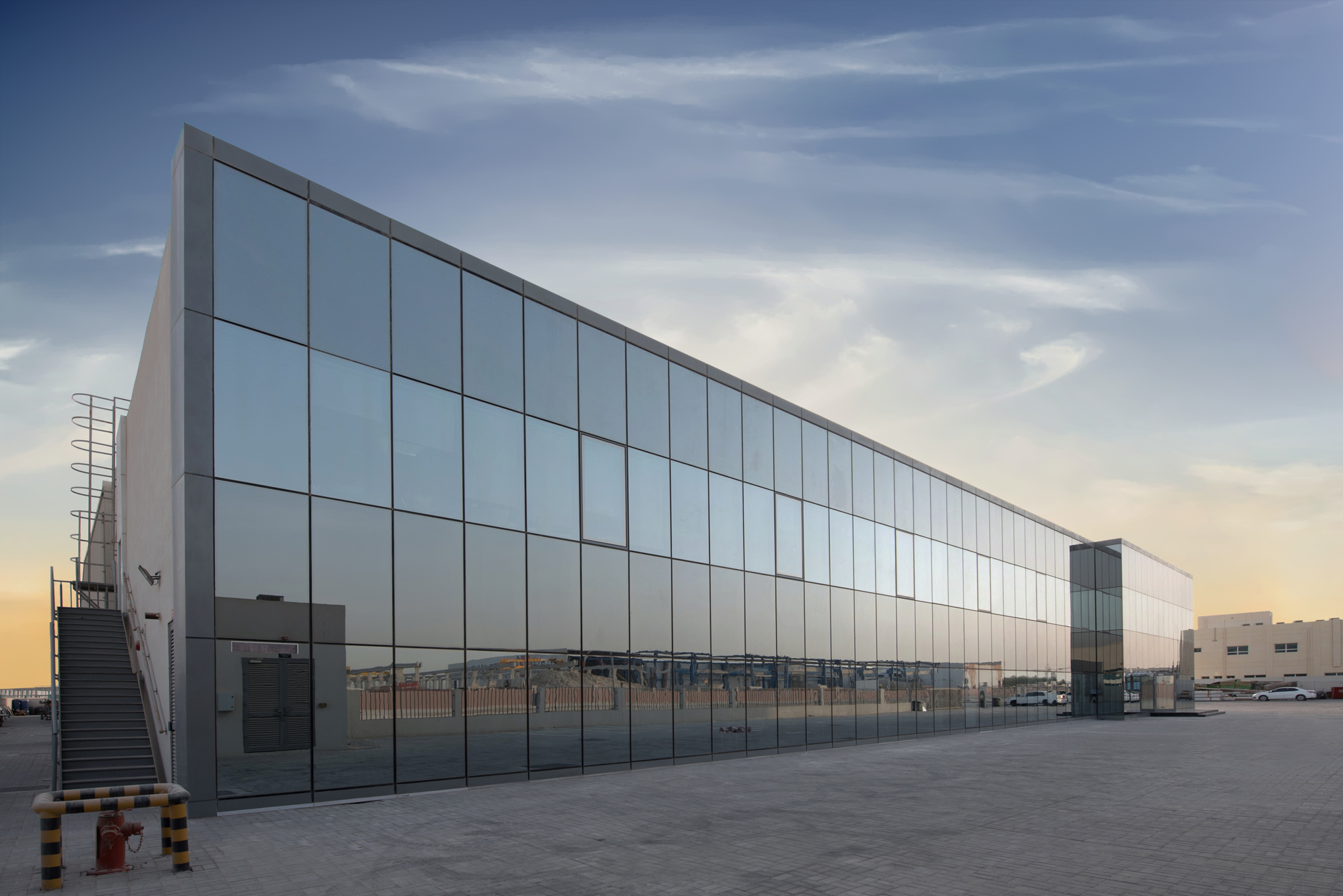
For optimal performance, these curtain wall systems utilize premium accessories from reputable global brands like Reinas, Germany, ensuring long-term operational reliability. To meet strict regulatory and safety standards, components must undergo rigorous quality testing, including physical and mechanical performance testing, structural safety inspection, and chemical safety testing. This aligns with standard industry certifications such as RoHS for aluminum windows and CE compliance for building components.

In practical applications, engineering contractors and real estate developers utilize these high-performance curtain walls to construct iconic African landmark building projects. These projects require materials that can withstand high ultraviolet radiation and coastal salinity, making corrosion-resistant aluminum profiles and robust glass configurations the standard choice for modern commercial facades.
Data/Solution Comparison
The following table compares the specifications of standard commercial curtain wall framing solutions often paired with smart glass installations:
| Technical Parameter | Standard Specification | Premium Specification |
|---|---|---|
| Profile Material | 6063-T5 Native Aluminum | 6063-T5 Native Aluminum |
| Profile Thickness | 1.6mm - 2.5mm | 2.5mm - 3.0mm |
| Surface Treatment | Powder Coating | Fluorocarbon Coating (PVDF) |
| Hardware & Accessories | Standard Heavy-Duty Fittings | Premium German Reinas Hardware |
| Applicable Markets | Commercial / Residential | High-Rise Commercial / Public Buildings |
| Quality Certification | RoHS Compliant | CE / RoHS Certified |
Frequently Asked Questions (FAQ)
What are the structural requirements for installing smart glass in curtain walls?
Smart glass requires robust framing with a thickness of 1.6-3.0mm to support the additional weight of laminated or insulated glass units. It also requires internal wiring channels within the aluminum profiles to route power safely without compromising the thermal or water barrier.
How do environmental factors affect commercial curtain walls?
Commercial facades face extreme weather, including high UV radiation and temperature fluctuations. Utilizing 6063-T5 native aluminum with fluorocarbon coatings ensures high temperature resistance, corrosion resistance, and strong weather resistance, preventing structural degradation over time.
What quality standards should commercial curtain walls meet?
High-quality systems must pass a comprehensive quality inspection process, including raw material quality inspection, production process quality inspection, finished product testing, and installation acceptance. Certifications like RoHS and CE verify safety and compliance with international standards.
Final Conclusion & Recommendations
Smart glass options are rapidly transitioning from a luxury design choice to a standard feature in high-performance commercial curtain walls. Implementing these systems with robust 6063-T5 native aluminum profiles and German Reinas hardware ensures that the facade remains durable, weather-resistant, and structurally sound over a long operational lifespan. For large-scale projects, utilizing a structured procurement model with transparent payment terms and direct, end-to-end logistics solutions helps mitigate shipping delays and structural alignment issues on-site. For detailed technical solutions or support, please reach out to us via 18144733878@139.com.
About Us
Guangzhou Lingyin Building Materials Co., Ltd. is a leading large-scale modern group enterprise specializing in the export of system windows, doors, and custom curtain walls. Established in 1990, the company houses 186 employees and operates a 30,000-square-meter modern intelligent production base with an annual sales volume of 200 million RMB. With an export ratio of 80%, the group has served clients across multiple industries in countries such as Uganda, Rwanda, Cameroon, Nigeria, Kenya, Ghana, Angola, Tanzania, South Africa, and Congo. The company's products hold prestigious certifications, including CE for kitchen cabinets and RoHS for aluminum windows.
Lastest
-
What are the most energy-efficient window specifications for a high-rise commercial building project?
2026-07-21 -
What is the best way to verify if a handrail supplier is a real factory or just a trading company?
2026-07-21 -
Is a 30% deposit and 70% against the bill of lading standard for ordering a custom sunroom?
2026-07-21 -
Can I get a small mockup sample of a glass curtain wall before placing a bulk order?
2026-07-21 -
Are manufacturers willing to customize the size and smart lock cutouts for a commercial door?
2026-07-21
SUBSCRIBE
INQUIRY