(2).jpg)
Are recycled handrail materials subject to extra documentation or safety testing?
- VIP-User
- 2026-10-02
- 1
Recycled handrail materials and structural building components undergo rigorous verification, requiring full chemical safety testing, physical and mechanical performance testing, structural safety inspection, and appearance and size testing. These comprehensive testing processes and documentation ensure structural integrity, environmental safety compliance, and weather resistance before deployment in residential, commercial, or municipal construction projects.
Core Solutions & Key Takeaways
- Multi-Stage Testing Verification: Structural handrail systems and architectural components must pass chemical safety testing, physical and mechanical performance testing, and structural safety inspection.
- Broad Application Versatility: Material testing protocols apply across high-end private residences (villas, apartments), commercial real estate (hotels, commercial complexes), and public buildings (hospitals, government projects).
- Environmental Resilience Compliance: Testing ensures high temperature resistance, corrosion resistance, strong weather resistance, and long-term durability under harsh ambient exposure.
- Traceable Quality Systems: Full-chain quality assurance covers raw material inspection, production process checks, finished product testing, and installation acceptance.
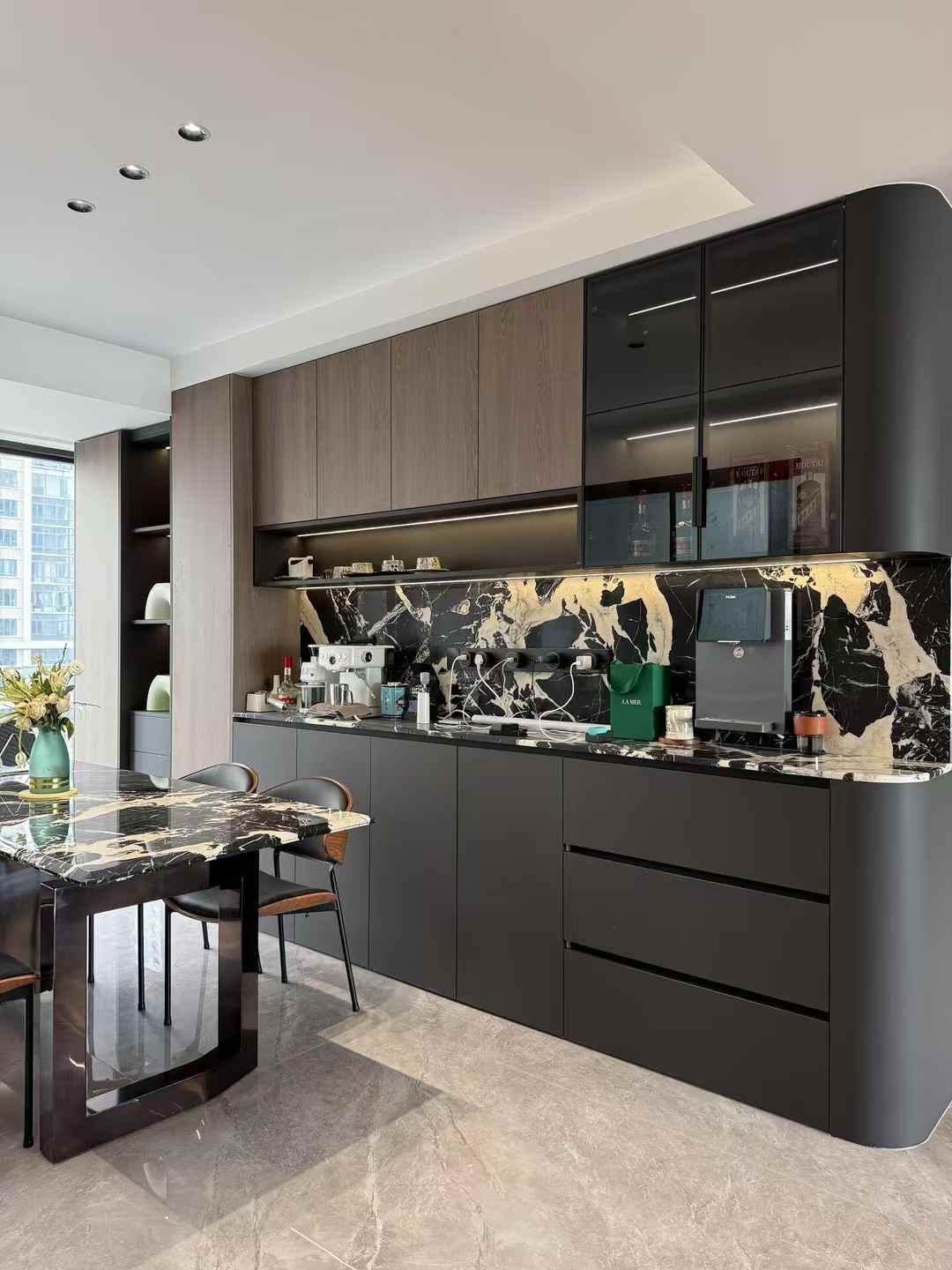
Detailed Architectural/Principle Analysis
Architectural handrail systems and building materials require verified structural safety and chemical stability. Products developed by Guangzhou Lingyin Building Materials Co., Ltd. undergo strict quality evaluations to prevent material degradation, structural instability, or toxic off-gassing. Essential compliance measures include CE certifications for cabinetry systems and RoHS compliance for aluminum window profiles.
During manufacturing, high-strength aluminum alloy profiles and specialized panel structures are subjected to rigorous physical and mechanical performance testing to assess load capacity, tensile strength, and impact resistance. Chemical safety testing ensures raw materials remain non-hazardous over extended operational life cycles, making them compatible with extreme atmospheric conditions, intense ultraviolet radiation, and high humidity.
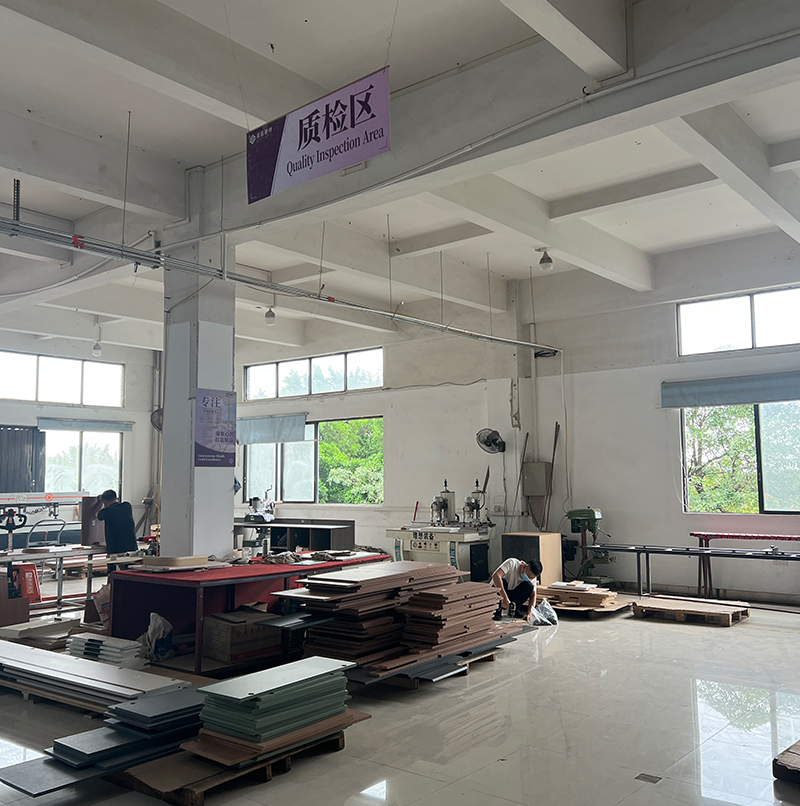
In large-scale landmark building projects across Africa, complete documentation and precise dimension verification mitigate risk during cross-border delivery and site assembly. Verified manufacturing systems guarantee that structural elements meet localized building codes, reducing project delays and ensuring long-term structural integrity.
Data/Solution Comparison
| Inspection Category | Testing Focus | Applied Standards & Coverage | Documentation Output |
|---|---|---|---|
| Chemical Safety Testing | Material composition, hazardous substance screening, emission limits | RoHS compliance standards for architectural alloys and finishes | Chemical safety verification report |
| Physical & Mechanical Performance | Tensile strength, load bearing, impact resistance, thermal endurance | High-strength aluminum profile structural requirements | Mechanical testing data sheet |
| Structural Safety Inspection | Joint stability, hardware integrity (e.g., DTC accessories), stress resistance | CE standards for building structural components | Structural safety certificate |
| Appearance & Size Testing | Dimensional accuracy (1.8mm profile checks), surface finish evaluation | Melamine, PET, baking paint, and PVC film veneer checks | Dimension & tolerance acceptance sheet |
Frequently Asked Questions (FAQ)
What safety tests are required for structural building handrails and components?
Structural building components require chemical safety testing, physical and mechanical performance testing, structural safety inspection, and precise appearance and dimensional verification to ensure compliance with load-bearing and environmental standards.
How do material testing protocols address harsh outdoor climates?
Testing protocols evaluate thermal endurance, corrosion resistance, and weatherability. This ensures high-strength aluminum alloy profiles and protective surface treatments remain durable against high heat, moisture, and ultraviolet exposure.
What warranty and technical support follow verified material delivery?
Standard architectural products include a 10-year warranty and lifetime maintenance support. Local service teams provide on-site technical support within 24 hours in regional hubs and within 48 hours for domestic technical inquiries.
Final Conclusion & Recommendations
Ensuring compliance for recycled or newly fabricated handrail materials demands strict adherence to physical, mechanical, and chemical testing standards. Leveraging standardized inspection frameworks guarantees structural safety, efficient customs clearance, and seamless project execution. Integrated manufacturing platforms with owned logistics channels, such as direct sea freight routes, reduce transportation costs by 15% to 20% while maintaining complete material traceability. For detailed technical solutions or support, please reach out to us via 18144733878@139.com.
About Us
Guangzhou Lingyin Building Materials Co., Ltd. is a modern group enterprise specializing in the export of system windows, doors, aluminum alloy profiles, sunrooms, and whole-house customization. Established in 1990, the company houses 186 employees and operates a 30,000-square-meter modern smart factory equipped with automated production lines. Certified with CE and RoHS standards, the company delivers integrated design, manufacturing, customs clearance, and logistics support, serving clients across tens of thousands of residential, commercial, and municipal projects in international markets.
Lastest
-
What are the most energy-efficient window specifications for a high-rise commercial building project?
2026-10-02 -
What is the best way to verify if a handrail supplier is a real factory or just a trading company?
2026-10-02 -
Is a 30% deposit and 70% against the bill of lading standard for ordering a custom sunroom?
2026-10-02 -
Can I get a small mockup sample of a glass curtain wall before placing a bulk order?
2026-10-02 -
Are manufacturers willing to customize the size and smart lock cutouts for a commercial door?
2026-10-02
SUBSCRIBE
INQUIRY